
Prioritizing Responsible Gambling: How WHO Regulations Can Address Gambling Disorders and Public Health | 10BET

Prioritizing Responsible Gambling: Aligning with WHO Standards to Address Gambling Disorders and Public Health

The World Health Organization (WHO), the leading international public health authority, is advocating for a comprehensive overhaul of the gambling sector, driven by grave concerns over the increasing normalization of casino games and sports betting. This call is rooted in the organization’s recognition that these activities pose serious risks to public health, particularly regarding the rising incidence of gambling disorders. To mitigate these dangers, the WHO emphasizes that the industry must move beyond simple warnings and integrate rigorous responsible gambling frameworks into the very core of its operations to protect vulnerable populations.
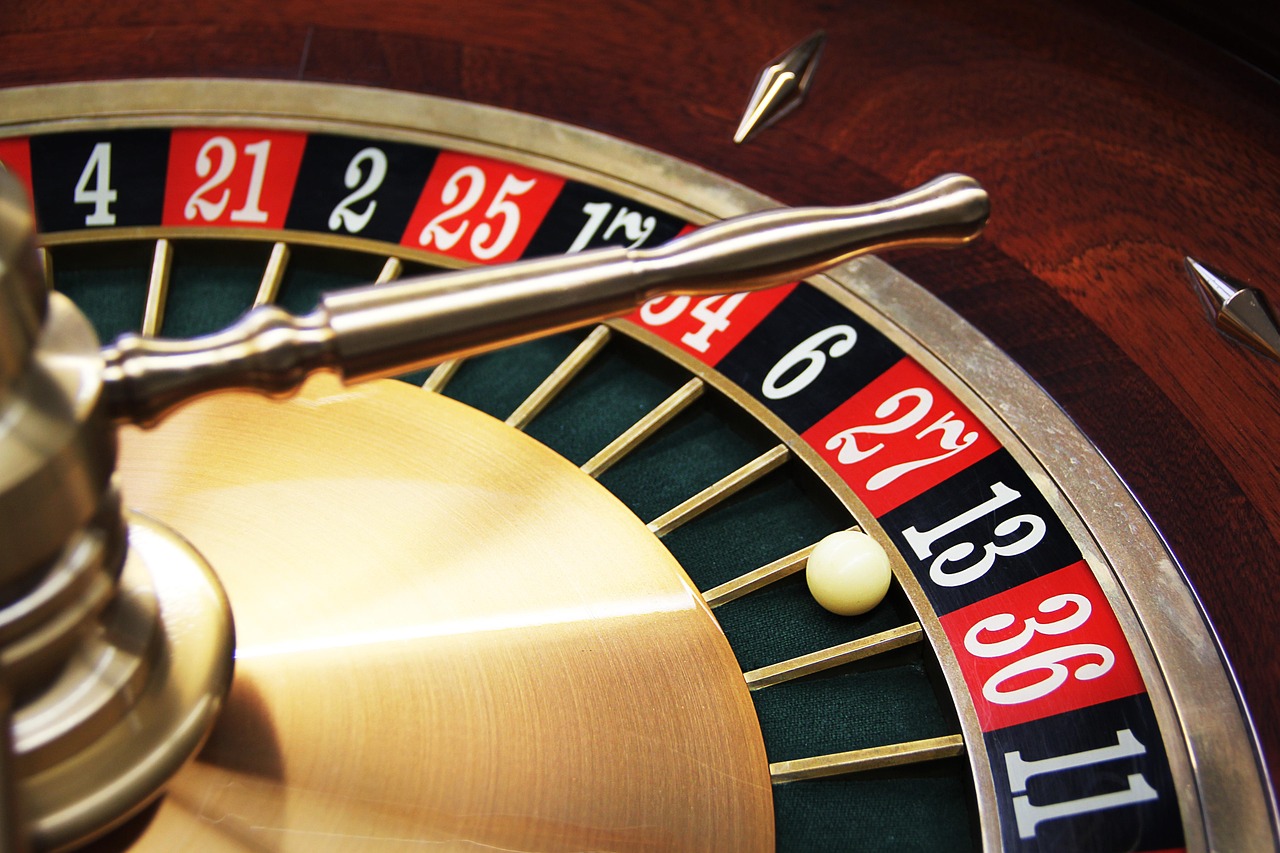
gambling disorders
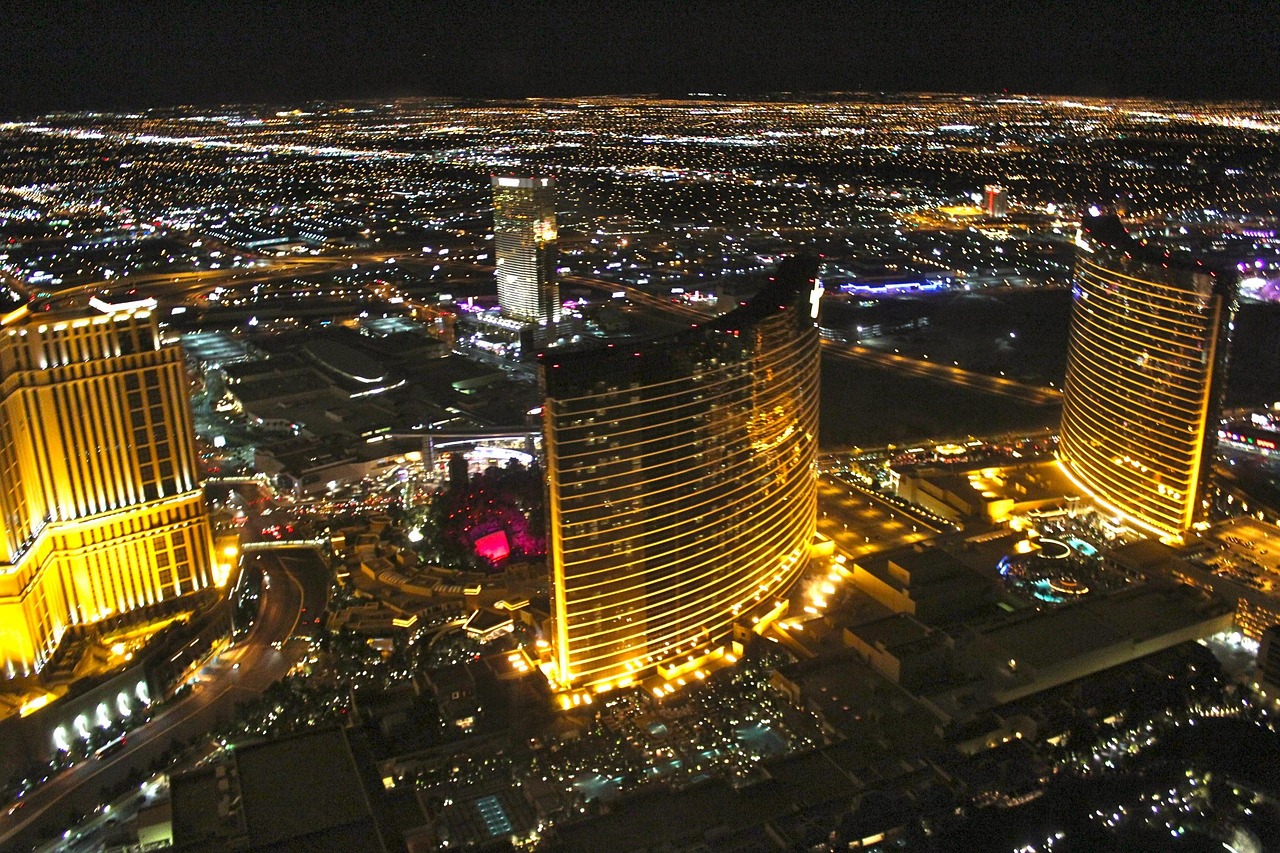
Image by GregMontani from Pixabay

According to recent findings published by WHO, gambling-related issues are more prevalent and damaging than ever. Their report reveals that approximately 1.2% of adults globally suffer from gambling disorders. Alarmingly, for each individual affected, around six non-gamblers also experience negative impacts from their gambling activities.

Statistics and Impact of Gambling Disorders

  • Individuals with gambling issues are 15 times more likely to take their own lives compared to the general population.
  • Gambling-related problems often lead to severe social issues, including food insecurity, housing instability, and challenges in accessing healthcare services.

These alarming statistics highlight the urgent need for targeted interventions and policies to tackle this growing public health crisis.

The Expansion of Sports Betting

Research from WHO indicates that the surge in sports betting, notably in the United States, has significantly contributed to the mainstream acceptance of gambling, attracting millions of new participants into the gaming industry. The rise of online gambling has also made betting accessible at any moment and from virtually anywhere, even in jurisdictions where such activities are illegal.

The report criticizes the effectiveness of current responsible gaming standards, asserting that many gambling products lack transparency. For instance, electronic gaming machines often employ design features that encourage prolonged engagement. To combat these pitfalls, the WHO recommends rigorous regulations alongside explicit warnings about the potential harms of gambling activities.

Regulatory Recommendations

One major area of concern highlighted is the absence of a coherent global framework for regulating online gambling. WHO warns that unlicensed operators frequently offer uncontrolled gambling products online, underscoring the necessity for regulatory reform.

  • The WHO is calling for:
  • A ban on all gambling-related advertising and sponsorship.
  • Introduction of universal loss limits and maximum stakes.
  • Mandatory breaks during gambling sessions.

Moreover, WHO advocates for a comprehensive investigation into the political influences and lobbying activities of the gaming industry, suggesting these factors may unduly affect research related to gambling harms.

Addressing Stigmas Around Gambling Disorders

Despite the significant health implications, WHO found that gambling disorders experience notably low treatment rates, with less than 1% of affected individuals seeking help. This low uptake is exacerbated by stigma, as shame associated with gambling problems deters many from pursuing treatment.

WHO emphasizes that the industry’s current approach, which labels these issues as ‘responsible gambling,’ inadvertently shifts the blame onto those who suffer from gambling-related harms.

Conclusion

In summary, the WHO’s extensive report underscores the need for swift and coordinated actions to address the rising tides of gambling disorders worldwide. As public health policies grapple with the repercussions of gambling normalization, it becomes increasingly clear that comprehensive reforms and a more holistic view of gambling’s impact on society are essential.


High-Stakes Poker and the Legal Battle for Control of Ignite Business: A High-Stakes Bet | 10BET

Mastering High-Stakes Poker Strategy: Lessons from the Dan Bilzerian and Ignite Business Lawsuit

The legal battle involving high-stakes betting and corporate control began when high-stakes poker player and social media influencer Dan Bilzerian filed a lawsuit against his father for allegedly unlawfully taking control of his vape company, Ignite International.

High-stakes betting
Image by Tumisu from Pixabay

Bilzerian, often referred to as the “King of Instagram,” accuses his father, Paul Bilzerian, of conducting illegal activities to seize control of the company, including misleading use of Dan’s image and brand to promote Ignite.

Background and Allegations

In a federal lawsuit filed in Nevada, Dan Bilzerian labels his father a “criminal” and charges that Paul, alongside co-defendants Scott Rohleder and Rupy Dhadwar, executed unlawful acts that pushed him out of the business.

Bilzerian states that these actions included attempts to take over his Instagram account, which boasts over 31 million followers, to leverage Dan’s popularity for their advantage.

Business Development

Dan Bilzerian asserts he is the founder and major shareholder of Ignite, which started as a cannabis lifestyle brand and later expanded to vape products, clothing, and accessories. Dan alleges that he was forcibly ousted from Ignite through orchestrated illegal acts from his father and his associates.

Paul Bilzerian, who gained infamy in the 1980s as a corporate raider and served prison time for securities fraud, has a notorious reputation in the business world. Despite having a massive financial penalty looming over him, he allegedly continues to manipulate corporate assets.

Contentions Over Control

Bilzerian contends that while he served as CEO, he encountered disputes with other stakeholders regarding management practices, particularly concerning their business direction. Despite acknowledging his valuable social media influence, he claims he lost his position after raising concerns.

In June 2024, Bilzerian was removed from the board of directors, with the operation of Ignite taken over unlawfully without the necessary shareholder votes.

Legal Repercussions

The lawsuit includes claims of publicity rights violations, unjust enrichment, economic interference, unfair competition, and deceptive trade practices. Bilzerian is seeking damages and requesting a jury trial for this case.

Conclusion

In conclusion, Dan Bilzerian’s legal battle with his father over the control of Ignite reflects significant themes of corporate governance and family dynamics. This case highlights the complex and often contentious nature of managing personal and business relationships.

Andrew Yang Calls for Stricter Regulations on Sports Betting

Andrew Yang Calls for Stricter Regulations on Sports Betting

Former Democratic presidential candidate and New York City mayoral aspirant, Andrew Yang, has raised alarms regarding the detrimental effects of sports betting on American men, advocating for more stringent regulation of this industry.

sports betting
Image by clarencealford from Pixabay

In a recent editorial for Newsweek, Yang candidly shared that he himself has engaged in sports betting, initially enticed by a promotional offer. However, he expressed regret over his involvement, emphasizing how this form of gambling exploits emotional vulnerabilities particularly prevalent in men.

Emotional Dynamics of Betting

Yang described online sports betting as a “perfect storm for men,” merging elements that captivate them: sports, monetary gain, expediency, risk, and the illusion of superior knowledge. He articulated that this makes a pastime feel lucrative, leading to an emotional attachment to betting.

Several research studies highlight that although gender-based differences in addiction patterns have been decreasing, men still show a higher susceptibility to various addictions, including problematic betting behaviors alongside substance abuse.

Consequences of Sports Betting

Yang outlined the financial repercussions associated with sports betting, stating that for every dollar wagered, $2 is lost from investment accounts. A study from Brigham Young University and other institutions corroborates this assertion.

Furthermore, he noted a troubling trend where personal bankruptcies tend to rise in households with at least one committed sports bettor, particularly alarming among men within the lower-income demographic.

Recent studies from UCLA and USC indicate that the rise of sports betting has adversely affected bettors’ credit scores and heightened bankruptcy rates.

Domestic Violence Concerns

Moreover, Yang connected the psychological distress stemming from losses in sports betting to increased occurrences of domestic violence. He referenced research suggesting that legalized sports betting correlates with a 9% rise in domestic violence incidents.

Resisting Further Legalization

Currently, 39 states and Washington, D.C., allow some form of sports betting, and Yang has urged states like Alabama, California, and Texas to reconsider further legalization efforts. He cautioned that while gaming industry lobbyists may push for expansion, lawmakers should prioritize the public’s well-being over commercial interests.

Yang illustrated that online sports betting functions similarly to a new tax affecting vulnerable, low-income men, exacerbating emotional troubles and financial pressures, which society does not need.

Conclusion

In conclusion, Andrew Yang’s call for greater regulatory oversight of sports betting underscores the potential risks this industry poses to men, particularly those in vulnerable financial situations. He advocates for a balanced approach that safeguards communities from the detrimental impacts of gambling.

Charitable Gaming Expansion: A New Milestone in New Hampshire Development

New Charitable Gaming and Casino Development Approved in New Hampshire

The planning board of Salem, New Hampshire, has recently greenlit a proposal that signals a new chapter in local casino development, authorizing the establishment of a charitable gaming facility within a repurposed Lord & Taylor store in the Mall at Rockingham Park.

casino development
Image by Linda72 from Pixabay

Slated to open in 2025, this three-story venue will feature approximately 900 historic racing machines, around 40 gaming tables, retail shops, restaurants, bars, a movie theater, a sports lounge, golf simulators, and a space designated for live entertainment.

Public Concerns

During the planning meeting, Amy Manzelli, a lawyer representing local property owners, raised various concerns about how the casino might impact the surrounding area. “This application lacks sufficient information regarding its potential neighborhood impact,” Manzelli argued, emphasizing the necessity to consider public health and safety, as well as the welfare and comfort of nearby residents.

Manzelli’s concerns included public safety threats, traffic congestion, lighting issues, and the potential effects on pedestrians and cyclists, alongside questions about a prior deed restriction that prohibited gambling at this location.

Community Support

Despite objections, many community members voiced their support for the new casino. Salem Town Council Chair Joe Sweeney expressed enthusiasm, stating, “The community voted in favor of this type of facility ten years ago. This is an exciting development that the town has anticipated for some time. I fully back this project.”

Construction is expected to commence in early 2024, with plans to eventually incorporate a hotel as part of the complex. The former Lord & Taylor store has remained vacant since 2020.

Economic Impact

Projected revenues from the casino are estimated to be around $31 million annually, benefiting both New Hampshire state revenues and approved charities. Furthermore, the establishment of the casino is expected to create over 700 permanent jobs, significantly contributing to the local economy.

Additional Developments

Additionally, another charitable casino, the Nash Casino, will soon open in Nashua’s Pheasant Lane Mall, boasting over 1,000 historic horse race machines and an array of table games. This location will repurpose a two-story, 180,000-square-foot former Sears building that has stood vacant since 2020.

The Nash casino project is being developed by ECL Entertainment and Clairvest, which underscores the trend of expanding charitable gaming options throughout New Hampshire.

Conclusion

In summary, the approval of the new charitable casino in Salem is an exciting development for both the local community and the state of New Hampshire. With its anticipated economic benefits and community support, the casino could play a significant role in revitalizing the area.

Casino Security Challenges: MGM Resorts and Boyd Gaming Defend Against Trafficking Claims | 10BET

MGM Resorts and Boyd Gaming: Enhancing Casino Security to Defend Against Trafficking Claims

A federal judge in Nevada has dismissed a lawsuit filed against prominent Las Vegas gaming operators MGM Resorts and Boyd Gaming, involving allegations that a woman was trafficked for prostitution within their establishments from a young age. While the legal proceedings have concluded, the case has thrust the critical importance of casino security into the center of public debate, highlighting the immense responsibility these operators have to implement rigorous safeguards against human trafficking and ensure the safety of all guests.

casino trafficking
Image by MolnarSzabolcsErdely from Pixabay

The plaintiff, known as “Tyla D.” (a pseudonym), accused the two companies of neglecting her situation, claiming that Las Vegas has historically ignored the prevalence of a nearly omnipresent commercial sex sector.

Trafficking Allegations

Tyla D. stated that she was coerced into prostitution after escaping an abusive home life. She described her harrowing experiences in her complaint, detailing how she was manipulated and threatened by various men who subjected her to violence and sexual exploitation, prevented her from accessing basic necessities, and kept her under constant surveillance.

Initially trafficked as a minor in 2006-2007, Tyla was again forced back into sex work in 2013 when she was 20. According to the lawsuit, her trafficking occurred at notable casinos, including Mandalay Bay and MGM Grand, both operated by MGM Resorts, as well as The Orleans, a property managed by Boyd Gaming.

Failure of Casino Security

During 2013, as casinos began implementing facial recognition technology to enhance security measures, Tyla was identified as a frequent visitor to the casinos. However, security personnel failed to respond appropriately to these alerts, which Tyla contended illustrated the casinos’ indirect involvement in her trafficking ordeal.

Statute of Limitations

The lawsuit was dismissed by Chief US District Judge Andrew P. Gordon primarily due to the expiration of the statute of limitations, set at ten years. The judge noted that Tyla D. did not sufficiently demonstrate that exceptional circumstances had prevented her from filing the lawsuit in a timely manner. Tyla expressed feelings of continued trauma from her past experiences, which contributed to her delay.

Furthermore, the judge concluded that Tyla D. had not provided adequate evidence to suggest that MGM Resorts and Boyd Gaming were aware of her trafficking nor that they had facilitated trafficking through their operations.

Legal Precedents and Implications

In his ruling, Judge Gordon emphasized the need for a clear demonstration that the casinos should have known of her circumstances. He stated, “It is not enough to establish a defendant’s general knowledge of commercial sex occurring on their premises; the complaint must plausibly assert that they were aware of trafficking involving force, threat, or coercion.”
This case raised important questions regarding the responsibilities of casinos in relation to human trafficking and highlights the ongoing battle against sex exploitation within the entertainment and gaming sectors.

Conclusion

In conclusion, the dismissal of Tyla D.’s claims against MGM Resorts and Boyd Gaming underscores the complexities of human trafficking cases within the context of the gaming industry. The court’s decision highlights the necessity for clear evidence of complicity and the difficulties plaintiffs may face given the stringent statutes of limitations. This case serves as a reminder of the importance of vigilant oversight and support for trafficking victims.

Inside the Las Vegas Casino: The Troubling History of the Suspected Shooter

Troubling History Connected to the Las Vegas Casino Scene

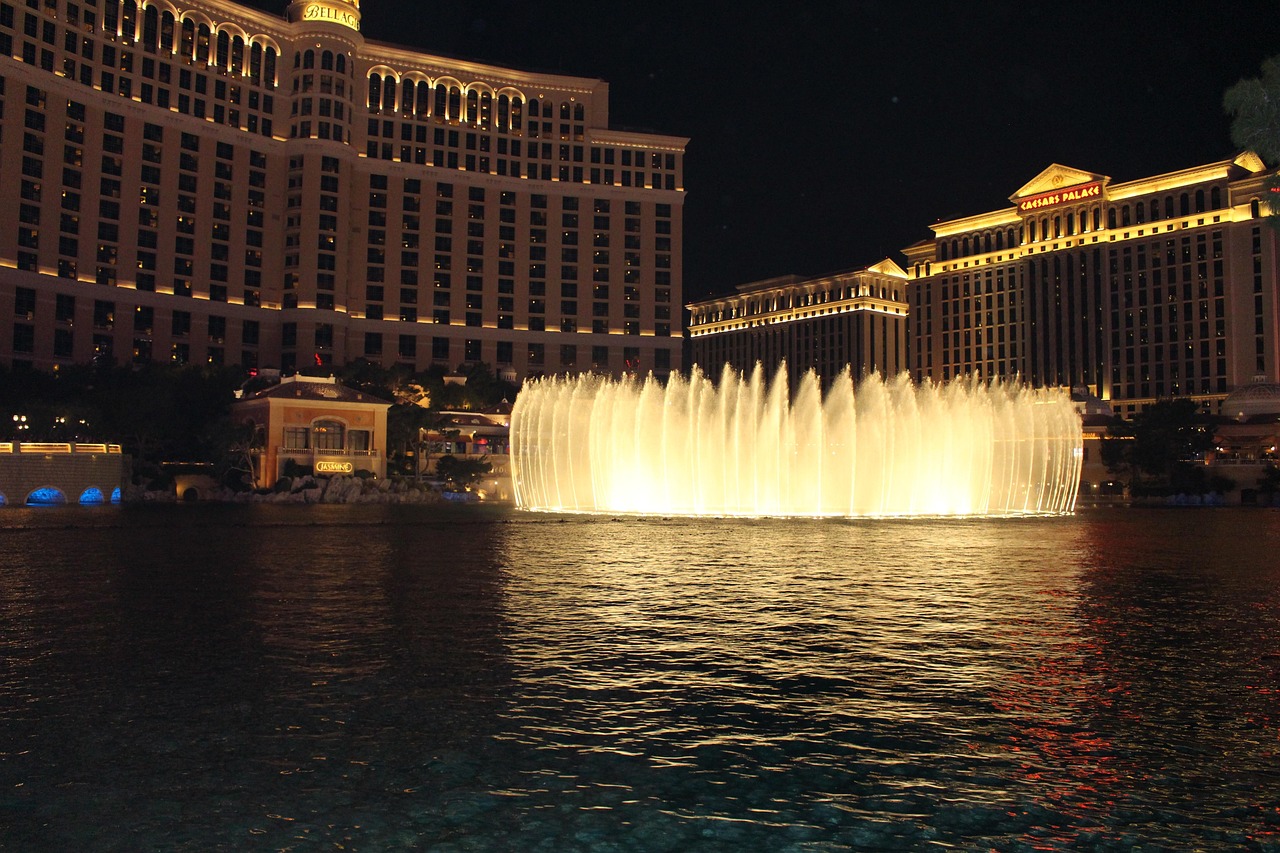
The scrutiny surrounding a woman involved in a shocking incident on the Las Vegas Strip has intensified, drawing specific attention to the volatile environment that defines the city’s gambling scene. Following the shooting and killing of an Uber driver during a road rage episode, new reports have uncovered a troubling history of reckless behavior linked to the suspect, raising concerns about her past and the high-stakes atmosphere of the Las Vegas casino environment.

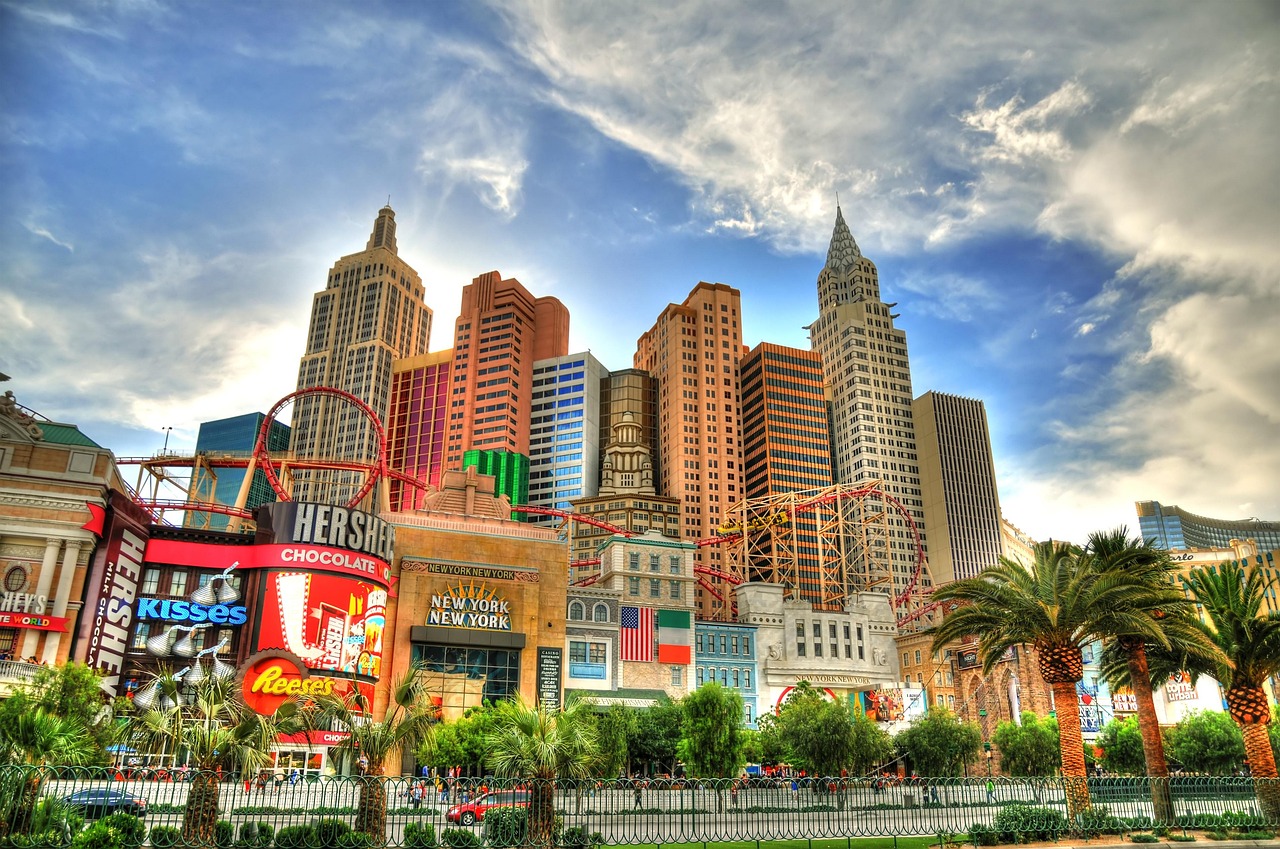
Las Vegas casino
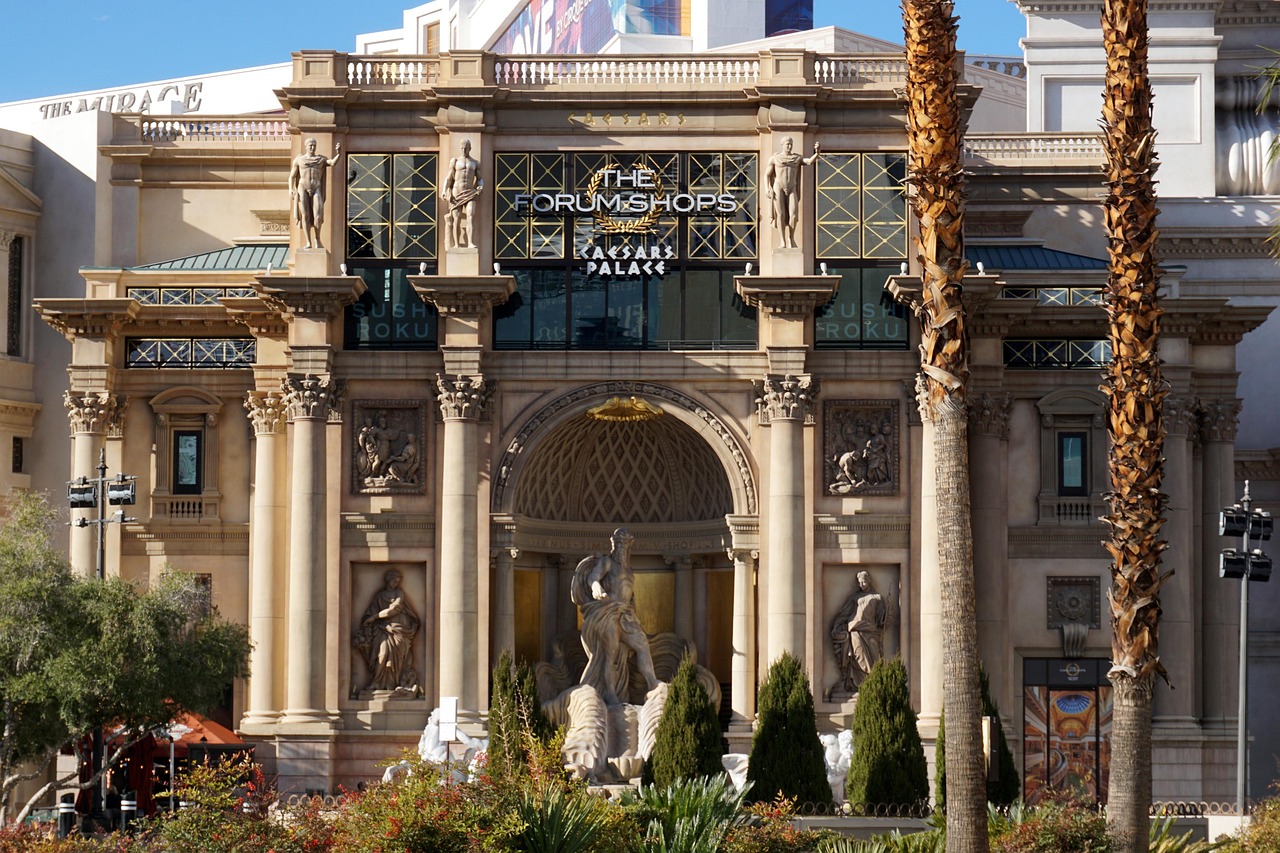
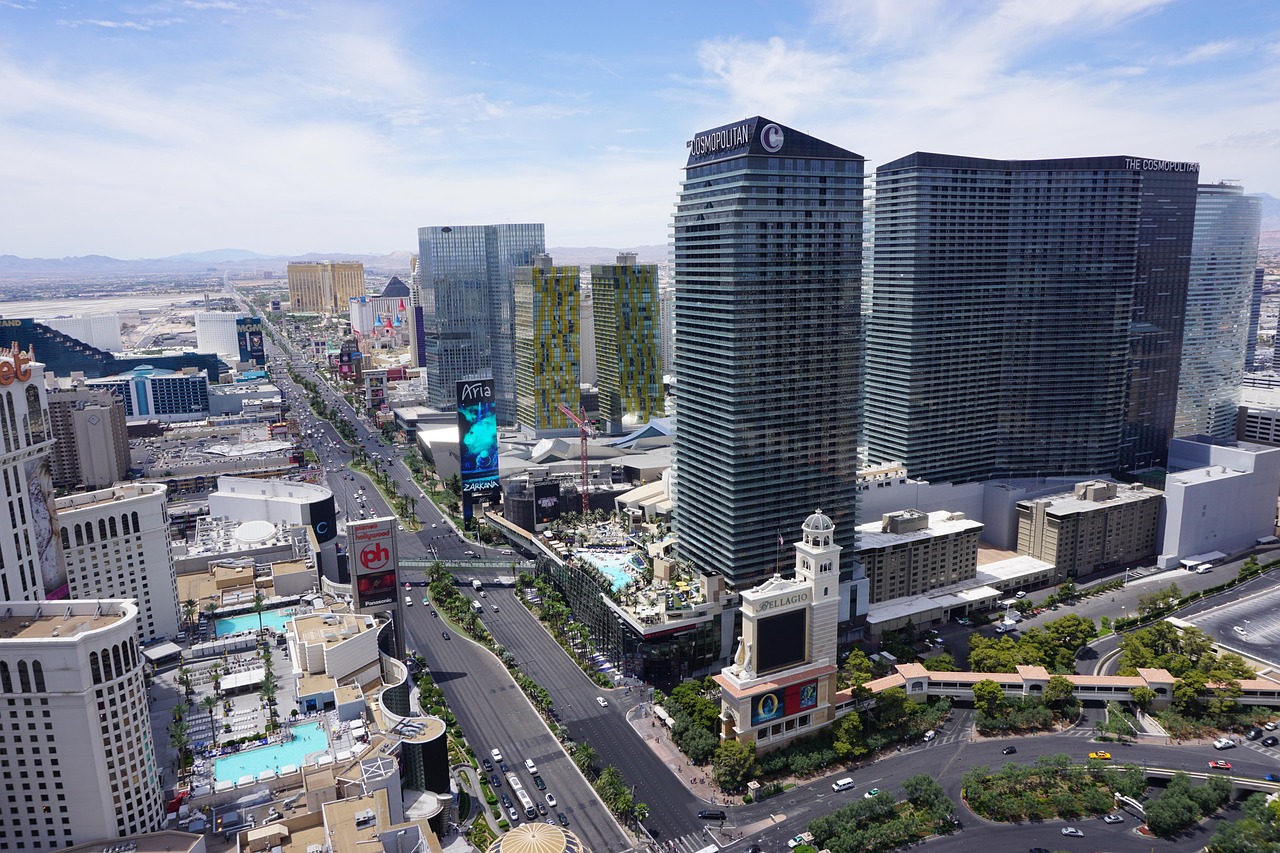
Image by Linda72 from Pixabay

Las Vegas casino
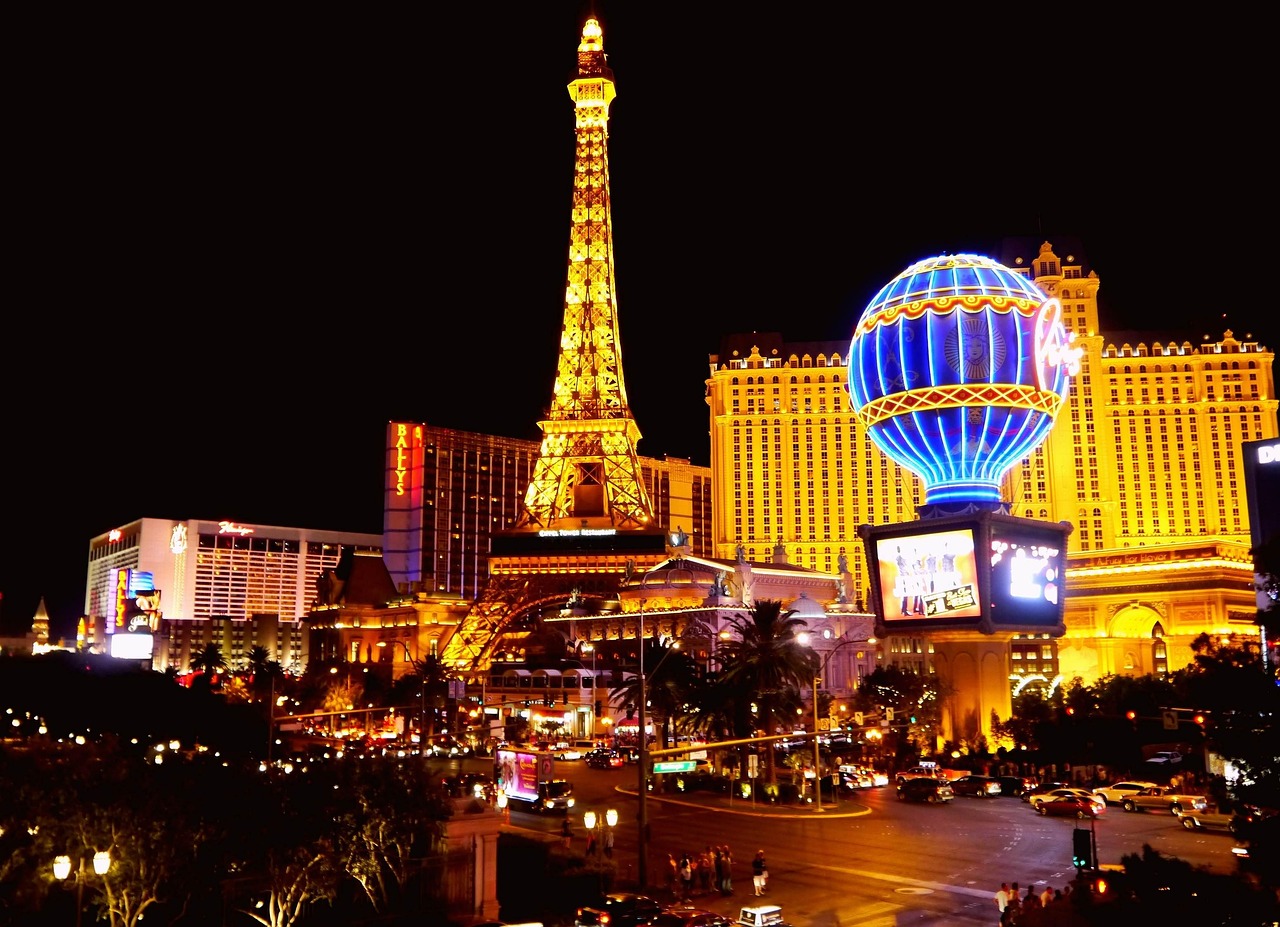
Image by RJA1988 from Pixabay

In an earlier incident in May, this 24-year-old woman reportedly threatened a restaurant worker in a Buffalo Wild Wings parking lot. Allegedly standing in line against established protocol, she reacted violently to being asked to wait, infamously stating, “Oh, you mean for this [expletive]?” before following another woman outside, brandishing a firearm.

Multiple Encounters with the Law

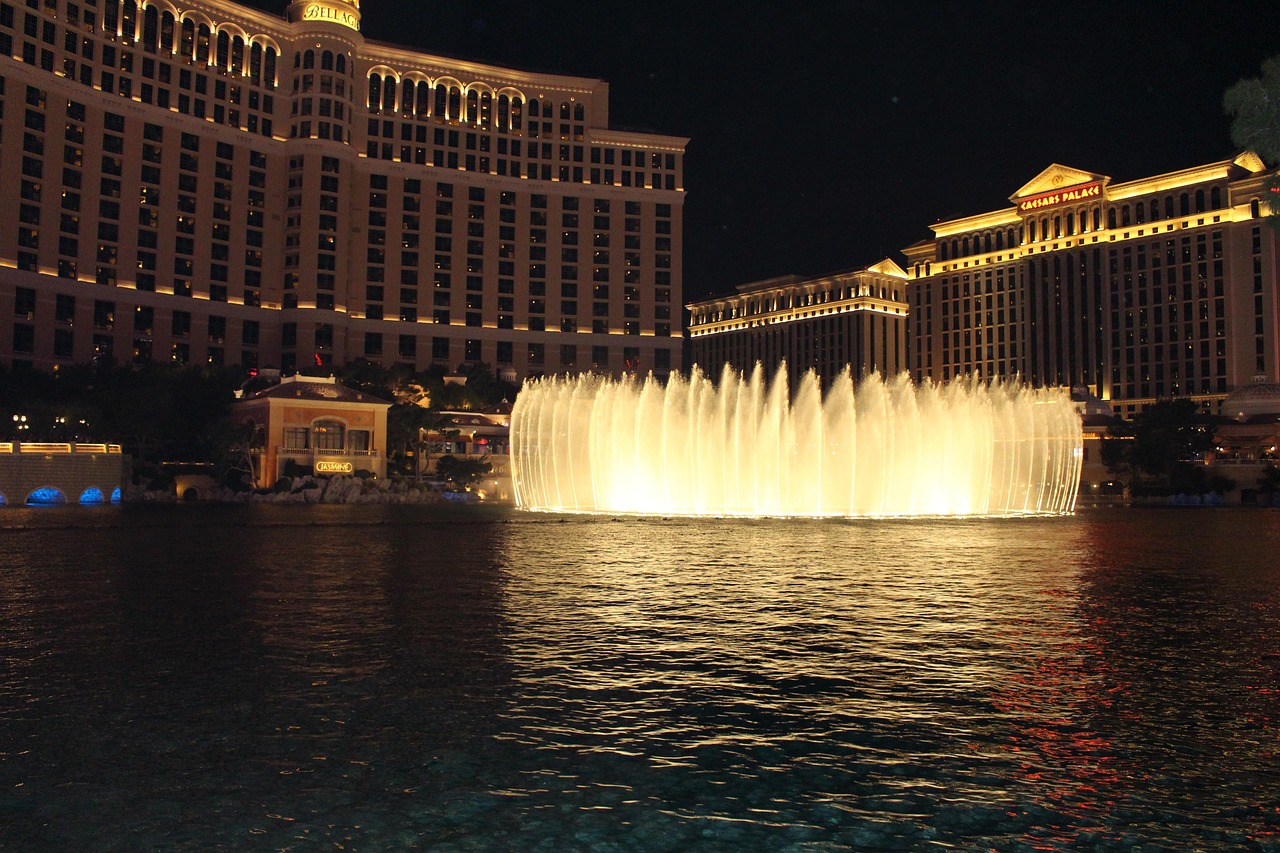
In a series of alarming confrontations, the same suspect continued her troubling behavior leading up to the shooting. On November 25, a taxi driver witnessed her recklessly weaving through traffic near the Bellagio Hotel before colliding with another cab. Details emerge of her erratic driving, escalating tensions that culminated in the tragic Uber driver shooting. The victim, Michael Wilmot, was armed but succumbed to his injuries before he could respond.

Close Call on I-95

Reports surfaced half an hour later, revealing close encounters with other drivers, prompting police investigations on her vehicle’s movements before the shooting incident. This additional information emphasizes the alarming pattern surrounding her behavior.

Investigation Status

Authorities, still investigating the road rage incident, are determining whether the shooting could be classified as self-defense. The case is currently under scrutiny by the Clark County District Attorney’s office.

Conclusion

In conclusion, the circumstances surrounding the shooting of the Uber driver on the Las Vegas Strip raise critical questions about the suspect’s alarming history. As authorities work to piece together this case, the focus remains on community safety and understanding the underlying issues contributing to such violent incidents.

How Local Legends Shape the Experience of Las Vegas Gambling in Fallout: New Vegas

Local Legends and the Influence on Las Vegas Gambling in Fallout: New Vegas

Meet Gordy Siddons, a local legend whose captivating life story mirrors the adrenaline-fueled intensity of Las Vegas gambling. His high-stakes journey served as the inspiration for a beloved character in one of the most critically acclaimed video games ever, “Fallout: New Vegas.” While uncovering the full details of his real-world adventures can be a challenge, his digital counterpart—the unforgettable Easy Pete—perfectly captures the gritty, risk-taking spirit found on the casino floor.

Las Vegas
Image by Glaucia from Pixabay

Las Vegas
Image by KevinSchmid from Pixabay

Siddons originally worked in mining, employing dynamite to blast through the rugged hills surrounding his Nevada home. When video game designers Josh Sawyer and Chris Avellone sought inspiration for their title in 2010, they were drawn to Siddons’ unique persona.

The Fusion of Reality and Gaming

In the game, Easy Pete offers players dynamite as they navigate through the narrative filled with conflict in a post-apocalyptic world. The character, resembling Siddons, reflects his dynamite-blasting past, further immersing players in the game’s story.

Las Vegas
Image by favoritesunfl from Pixabay

The Heart of Goodsprings in Fallout’s Landscape

“Fallout: New Vegas” is set in a post-nuclear version of the Mojave Wasteland, including key settings like the Las Vegas Strip and Hoover Dam. However, Goodsprings, nestled forty miles southwest of Las Vegas, serves as the emotional anchor for players exploring this immersive world since its release in October 2010, selling nearly 12 million copies globally.

Las Vegas
Image by favoritesunfl from Pixabay

Personality and Influence

Siddons, who works at the Pioneer Saloon, spends his time engaging with fans and sharing stories that connect to their experiences with the game. Each year, Goodsprings attracts thousands of visitors who cherish its landmarks such as the Pioneer Saloon and general store.

Las Vegas
Image by mar_co from Pixabay

Reflections on Fame and Impact

Siddons describes the overwhelming phenomenon of “Fallout” with a hint of humor, showcasing his down-to-earth nature. Although he has not played the game extensively, he appreciates the meaningful connections it creates between players and characters.

Las Vegas
Image by Danor from Pixabay

Conclusion

In summary, the legacy of Gordy Siddons lives on through him being the inspiration behind Easy Pete in “Fallout: New Vegas.” The intersection of his real-life story and his virtual counterpart highlights the profound impact of local legends on gaming culture and the blossoming tourism in Goodsprings.

Las Vegas
Image by Signboy58 from Pixabay