

Top Casino Loyalty Programs: Lessons from The Strats New Local Rewards | 10BET

The Strat Casino Debuts New Casino Loyalty Programs for Las Vegas Locals

  • Golden Entertainment-owned casino hotel launches loyalty plan targeting Las Vegas locals segment
  • Program includes free parking

The Strat Hotel, Casino & Tower is elevating the guest experience with its new “Strat True Locals” initiative, a specialized branch of their broader suite of casino loyalty programs. This unique program is specifically designed to recognize and reward Las Vegas residents, ensuring that locals receive premium benefits and exclusive perks for their continued patronage of the hotel and gaming floor.

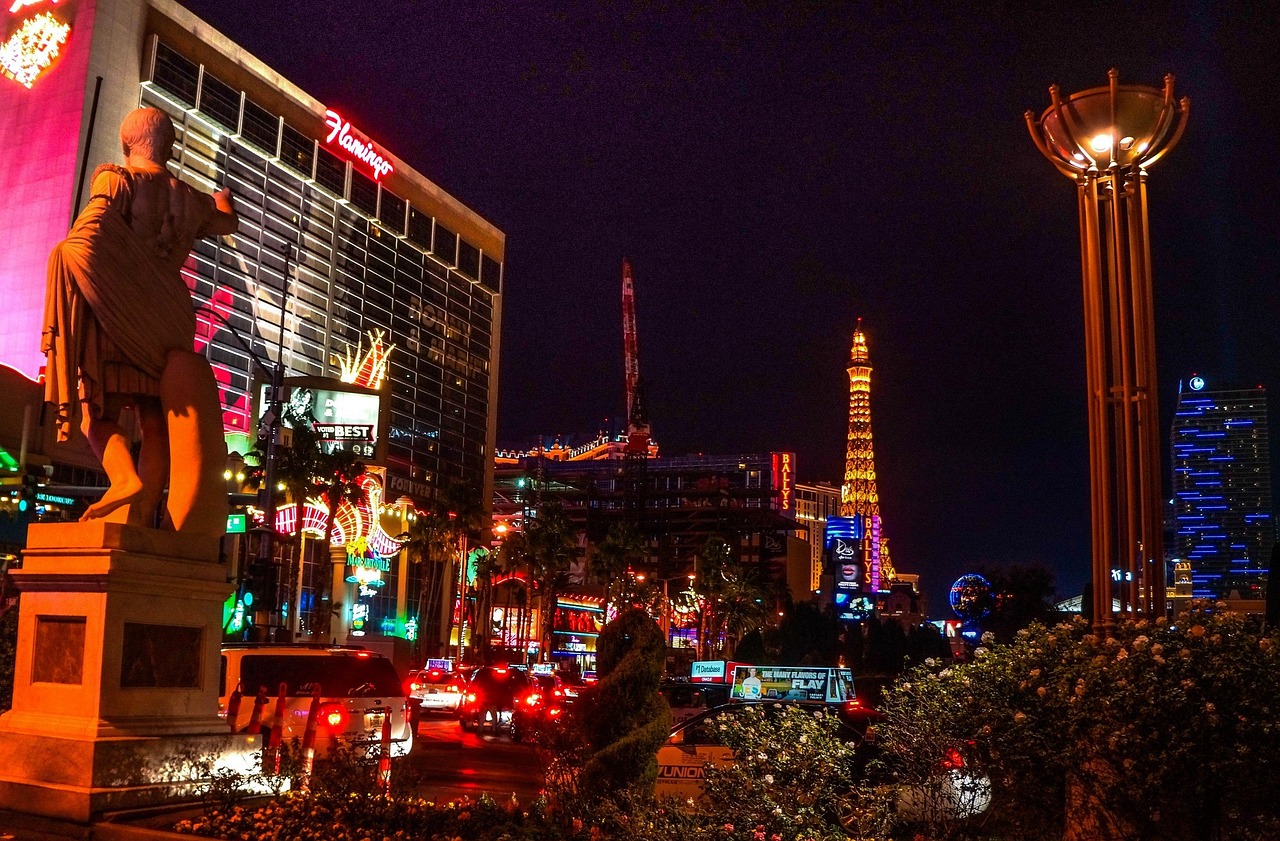
Las Vegas
Image by Signboy58 from Pixabay

This new program stems from Golden Entertainment’s True Rewards player loyalty scheme, designed to enhance the dining and entertainment experiences for members. Participants will need to present a valid Nevada identification along with their True Rewards card at The Strat to avail themselves of the various benefits. Here’s a quick rundown of what members can expect:

20% off food and drinks at The STRAT’s renowned restaurants and bars, including the popular Top of the World Steakhouse, known for its stunning 360-degree views, as well as PT’s Wings & Sports and CHĪ Asian Kitchen.

Additional perks include:

  • 25% off bookings at Atomic Golf
  • 50% off hotel stays when booked directly through The Strat
  • Free admission to The Strat’s observation deck
  • 50% off tickets for shows and thrill rides

Other Perks and Important Details

Joining both the True Rewards and the Strat True Locals programs is free of charge, which is beneficial as membership in True Rewards is a prerequisite for joining the locals’ program.

However, there are a few key requirements to keep in mind. Participants must be at least 21 years of age and live within 50 miles of The Strat to qualify. The benefits of the Strat True Locals program are available Sunday through Thursday, while True Rewards members who qualify as locals enjoy complimentary parking year-round.

While the emphasis of the Strat True Locals program is on dining and entertainment benefits, there are also potential gaming-related perks, including invitations to local-only events, point multipliers, tournaments, and more.

A Smart Move by Golden Entertainment

The Strat True Locals program represents a strategic effort by Golden Entertainment to attract more Southern Nevada residents to their casino hotel. While located just off the Strip, the venue is often perceived as a part of the Strip by tourists, creating a unique market opportunity.

Golden’s ongoing focus on local customers may yield significant returns, as their other Las Vegas properties are already targeting this demographic effectively.

Additionally, Golden’s PT’s Pubs account holds over 70 gaming bars across Nevada under various brands, including Lucky’s and PT’s Gold, further aiming their services towards Las Vegas locals.

In summary, the Strat True Locals rewards program is a commendable effort to deepen connections with local residents, offering them not just discounts but also unique experiences that elevate their time at The Strat. This loyalty initiative paves the way for stronger community engagement within the vibrant Sin City landscape.


Catawba Two Kings Casino Resort in NC: Opening Timeline and Details

Catawba Two Kings Casino Resort in NC: Opening Timeline and Details

The Catawba Nation continues construction of its casino resort in North Carolina

  • Two Kings Casino Resort is being built in Kings Mountain, NC
  • The permanent casino is slated to open in the spring of 2027

The permanent Two Kings Casino Resort continues construction roughly 35 miles west of Charlotte, NC. This week, officials revealed that this massive development is expected to cost between $700 million and $1 billion and detailed plans regarding its opening.

Casino Resort
Image by pamyjo from Pixabay

The Catawba Nation, alongside Delaware North, has announced that the Two Kings Casino Resort is on track to open in the spring of 2027. The initial phase, referred to as an “introductory casino,” is slated to commence operations next March.

The inaugural gaming space will feature approximately 1,350 slot machines, 22 live-dealer table games, and sports betting kiosks. Following the launch of this introductory space, the tribe will close its temporary casino. When the full-scale casino opens in the following year, it will expand to boast over 4,300 slots, 100 tables, and a dedicated sportsbook.

“Currently, we have about 490 employees. We plan to hire an additional 2,000 staff members between now and 2027,” said Trent Troxel, vice president of the Catawba Nation Gaming Authority, during a recent media tour of the construction site.

Alongside the gaming space, the resort’s first phase will also include a restaurant and bar, as well as a Lucky North Rewards desk.

Project Finally Coming to Light

The Catawba Nation has pursued economic independence for years by establishing a Class III gaming resort. After regaining federal recognition in 1993 and securing a $50 million Indian lands claim settlement from the United States and South Carolina governments, the Catawba Nation aimed to enter into a Class III gaming compact for many years without success.

The Catawba’s sovereign lands stretch across the Carolinas. Since South Carolina maintains a prohibition on casino gaming, including tribal gaming, the tribe petitioned the North Carolina government for privileges to operate slots and table games.

North Carolina has allowed the Eastern Band of Cherokee Indians to operate casinos on its sovereign lands for decades. The state hesitated to consider the Catawba’s gaming requests until 2021 when Governor Roy Cooper agreed to enter into a revenue-sharing arrangement, allowing the tribe to operate Vegas-style slots and tables.

The Catawba initially partnered with Carolina businessman Wallace Cheves for its Kings Mountain venture. However, after the National Indian Gaming Commission raised concerns regarding Cheves’ previous complications with operating illegal gaming, he exited the project.

The tribe subsequently secured a new financier and partner in Delaware North, a New York-based gaming and hospitality conglomerate. This corporation will manage the resort once it is completed.

Plans for what will be the third permanent tribal casino resort in North Carolina, following Harrah’s Cherokee and Harrah’s Cherokee Valley River, include a 24-story hotel with 385 rooms. The Two Kings Casino Resort will also feature 11 dining options, 2,700-space underground parking, and an additional 800 spaces at ground level.

Catawba Backstory

The Catawba Nation asserts its historical role alongside the colonists during the Revolutionary War. The tribe’s name, ‘Catawba’, means ‘people of the river,’ referring to the Catawba River.

Historically, the Catawba were one among several tribes on the East Coast who allied with colonists for protection against rival groups. They faced devastation during smallpox epidemics, which resulted in many tribal members merging with the Cherokee or Choctaw. In 1959, the US government terminated the tribe as a sovereign entity. The reestablishment took place in 1973, initiating a lengthy process to regain federal recognition.

Key Facts About the Two Kings Casino Resort

  • Location: Kings Mountain, North Carolina, approximately 35 miles from Charlotte.
  • Investment: Estimated between $700 million to $1 billion.
  • Opening Timeline: Introduction phase expected in March 2026; full-scale opening targeted for spring 2027.
  • Casino Features: 4,300+ slots, 100 live dealer tables, and dedicated sportsbook.
  • Employment Opportunities: Aiming to hire 2,000 additional employees by 2027.
  • Site Development: 24-story, 385-room hotel, 11 restaurants/bars, extensive parking facilities.

In summary, the Two Kings Casino Resort stands as a monumental project for the Catawba Nation, promising to revolutionise the gaming landscape in North Carolina by offering a vast range of gaming options and amenities. With its projected opening in 2027, this casino is expected to drive significant economic growth and job creation within the region.

Casino Operators: Stock Surges as CEO Lee Buys Shares

Casino Operators Stock Surges Following CEO Lees Share Purchase

  • Stock soars on news of CEO share purchase
  • Regional casino operator extends Lee’s contract through June 2030

The performance of shares in Full House (NASDAQ: FLL) jumped by 18.10% amidst strong trading volume following a regulatory document that revealed a significant transaction involving a casino operators leadership. This surge follows a Form 4 filing with the SEC, detailing the purchase of 276,300 shares in two separate transactions on June 13, totaling over $1.3 million. With the average buying price set at $4.75, this significant purchase is particularly noteworthy against the current share price of $3.85.

Las Vegas resorts
Image by MichelleMaria_Pitzel from Pixabay

Additionally, Lee, who is also known for his ties to Rep. Susie Lee (D-NV), had his contract with Full House extended through June 14, 2030. His annual base salary of $700,000 is competitive within the industry, positioning him in the 50th percentile among other CEOs in similar roles. His new contract includes performance-based bonuses tied to critical milestones, such as relocating an Indiana casino license.

If the company succeeds in obtaining all necessary governmental approvals to relocate the Rising Star Casino license, Lee will receive a bonus of $300,000 in line with developments associated with the relocation.

Earlier this year, Indiana lawmakers introduced a bill that permits Full House to relocate the Rising Star Casino to New Haven, which would place it closer to Fort Wayne, the state’s second-largest city. This strategic relocation could potentially enhance the casino’s performance.

Lee’s Buys Could Restore Confidence in Full House Stock

Insider buying often serves as an important indicator for investors, suggesting that those within the company believe the stock’s value will rise. Such transactions can help bolster investor confidence—a particularly needed sentiment when considering that Full House’s stock has decreased by 19.57% over the past year and 7.35% year-to-date. Full House is not isolated in facing challenges, as many small-cap regional casino operators have reported similar declines throughout 2025.

Despite these challenges, analysts maintain an optimistic outlook for Full House. Currently, three out of four analysts recommend the stock as a “strong buy” or “buy,” with an average price target of $4.75, suggesting a potential upside of approximately 22.74%. This bullish sentiment is backed by expectations of growth stemming from contributions from the company’s properties, including the American Place casino hotel in Waukegan, Illinois, and the Chamonix Casino Hotel in Cripple Creek, Colorado.

Lee’s Interests Aligned with Full House Investors

In light of recent stock performance, it’s understandable that investors might feel frustrated. However, there are signs indicating that Lee’s interests align with those of shareholders. His updated employment agreement features performance-related conditions tied to the company’s earnings before interest, taxes, depreciation, and amortization (EBITDA), along with free cash flow growth.

Restricted stock grants are connected to anticipated growth metrics, establishing a concrete performance framework. For this financial year, a compound growth rate of 12% for Free Cash Flow Per Share is anticipated, with subsequent years expected to maintain reasonable growth projections.

In summary, Dan Lee’s recent stock purchases and renewed contract have infused confidence into Full House’s investors, who are eager to see improvements in stock performance and strategic maneuvers that may help the company rebound from its current issues. With an optimistic analyst outlook and robust strategic planning, the future remains hopeful for this regional casino operator.

iGaming Regulations: Gaming and Leisure Properties Joins Group Opposing New Laws

Gaming and Leisure Properties Joins Group Opposing Stricter iGaming Regulations

Gaming and Leisure Properties, Inc. (GLPI), a significant real estate investment trust with deep roots in Penn Entertainment, is strategically positioning itself within the evolving landscape of iGaming regulations. To influence the legal framework surrounding digital betting, the company has recently decided to align itself with the National Association Against iGaming (NAAiG). This advocacy group focuses on shaping stricter iGaming regulations by opposing the expansion of online gaming, with the sole exception of sports betting.

Background

  • Casino Landlord: GLPI is recognized as a leading landlord in the casino sector, owning 68 casinos across the United States.
  • Membership in NAAiG: The NAAiG was established by casino operators eager to keep gambling experiences anchored in physical locations.
  • Community Protection: The NAAiG’s mission focuses on shielding communities from the dangers associated with online gambling.

By joining this coalition, GLPI seeks to influence state lawmakers against the proliferation of iGaming, which they believe threatens in-person gaming experiences.

gaming properties
Image by dimitrisvetsikas1969 from Pixabay

Industry Insights

NAAiG spokesperson Mark Stewart expressed that GLPI’s participation reinforces a collective awareness about the tangible risks posed by iGaming:

“When the future of in-person gaming is threatened, we lose entertainment venues, jobs, tax revenue, local investment, and vital economic anchors.”

Furthermore, the NAAiG counts prominent casino companies among its members, including:

  • Churchill Downs
  • Jack Entertainment
  • Peppermill Resorts
  • Accel Entertainment
  • Monarch Casino Resort
  • Foundation Gaming & Entertainment
  • Del Lago Resort Casino
  • Harlow’s Casino Resort
  • Rivers Casino Des Plaines
  • Miami Valley Gaming

Among their claims, the NAAiG argues that iGaming exacerbates addiction issues, siphons tax revenue from local economies, and triggers job losses.

Market Position

GLPI stands as the second-largest casino-focused REIT, currently operating in:

While it doesn’t run casinos directly, GLPI’s financial performance is closely linked to the vitality of physical gaming establishments through property leases.

This strategic move to join the NAAiG contrasts sharply with its major shareholder, Penn Entertainment, which remains supportive of iGaming initiatives.

Current Legislative Climate

GLPI’s momentous decision coincides with legislative movements in various states:

  • Maine recently passed a bill permitting iGaming.
  • Massachusetts lawmakers are preparing to discuss iGaming bills.
  • Ohio, Maryland, Indiana, Illinois, and Louisiana are also revisiting iGaming opportunities.

This development reflects a complex landscape for casino investment and regulatory discussions in the US.

Conclusion

The active participation of GLPI within the NAAiG highlights the growing divide in the gaming industry between traditional operators and advocates for online gaming. It raises vital questions regarding the future of gaming in the US, as both sides present compelling arguments regarding community safety, economic impacts, and the preservation of local business interests.

As the debate continues, it’s crucial for members of the community and industry stakeholders to engage in discussions that will shape the future of gambling in the US.

Death of Mob Underboss Linked to Illegal Casino Operations at 79

The Dark Side of Casino Operations: Pete Simones Legacy and the Mob Underboss Behind Las Vegas Gambling

  • Kansas City Mob figure dies at home, age 79
  • Simone linked to Midwest gambling and Vegas junkets
  • Mob’s decline reportedly leaves fewer than 10 active “made” members

The passing of Peter “Las Vegas Pete” Simone at age 79 marks the end of an era for organized crime in the Midwest. As a reputed underboss of the Kansas City Mob for over three decades, Simone’s influence extended far beyond local territories, deeply impacting the landscape of large-scale casino operations. He was a central figure in the criminal underworld, specializing in orchestrating high-stakes junkets from various Midwestern cities to Las Vegas, effectively bridging the gap between regional syndicates and the gambling industry.

gambling operations
Image by RyanMcGuire from Pixabay
“Las Vegas” Pete Simone, a longtime number two in the Kansas City Mob, once ran gambling junkets to Las Vegas from the Midwest. (Image: Kansas City Star)

Simone’s life was marked with connections to the Civella crime family, which boasted significant casino interests in Nevada throughout the 1970s and 1980s. Key properties like the Tropicana, the Fremont, the Stardust, and the Hacienda were often thought to be influenced by him.

His rise to power coincided with the Kansas City Mob’s peak, during which time the organisation became a central player in a nationwide scheme exploiting untaxed profits from Las Vegas casinos.

While Simone’s name never appeared in pivotal court documents tied to the notorious casino skimming cases of the early 1980s, his associations with significant mob figures—namely the Civella brothers, Nicholas and Carl—were undeniable. The brothers faced allegations of fraud, tax evasion, and RICO charges, although Nicholas passed away before any convictions could take place.

Mafia Junkets

Affectionately dubbed “Las Vegas Pete,” Simone was notable for orchestrating high-stakes gambling junkets to Las Vegas from cities like Kansas City, Chicago, Milwaukee, and Cleveland. These ventures weren’t merely for entertainment; they served as a vital mechanism for shifting funds and influential individuals into and out of Mafia-affiliated casinos.

Court documents indicate his significant involvement in local gambling operations throughout the Heartland, where he helped maintain the mob’s influence.

His storied career took a hit when he was incarcerated in 1992 for four years due to illegal bookmaking, video poker operations, and money laundering.

Mob Hit

Upon his release in 1997, Simone found himself barred from entering any Missouri casinos, a decision stemming from his lengthy criminal history. Just two years later, he was sent back to prison after violating his parole when caught playing craps at Harrah’s casino in North Kansas City.

Simone was also cited as an unindicted conspirator in a mob hit targeting a bar owner who had cooperated with federal investigators looking into gambling operations. His choice to invoke the Fifth Amendment during the investigation allowed him to avoid self-incrimination.

The Kansas City mob has since diminished significantly, with estimates suggesting that fewer than ten active “made” members remain, following a spate of federal prosecutions that disrupted their operations in the 1980s.

Despite his nefarious reputation, Simone’s life serves as a stark reminder of the once-formidable presence of organized crime in America, particularly within the sphere of gambling. His legacy raises numerous questions about the future of such syndicates in a rapidly changing world.

To sum up, Peter “Las Vegas Pete” Simone’s passing marks the end of an era for the Kansas City Mob and highlights the long and complicated relationship between organized crime and the casino industry in the United States. His story embodies the highs and lows of a life steeped in controversy, crime, and the allure of the Las Vegas lifestyle.

Virginia Casino Revenue Reaches Record High in May

Virginia Casino Revenue Reaches Record High in May

Key Highlights reveal the dynamic landscape of the gaming sector, with a primary focus on the fluctuating nature of Casino revenue. Analyzing these metrics demonstrates the significant impact of operational efficiency, player engagement, and market expansion on overall profitability. Furthermore, the trends observed in Casino revenue provide crucial insights into the evolving consumer behavior and regulatory environment shaping the global gambling industry.

  • Virginia casino revenue hit a record high in May 2025
  • Rivers Portsmouth and Hard Rock Bristol reported record months
  • Caesars Virginia remained the top-grossing casino

Virginia’s casino revenue soared to an all-time high in May, with gamblers losing a staggering $85.4 million across the state’s three gaming resorts. This notable achievement reflects the growing acceptance and popularity of gambling in Virginia, signalling a promising future for the industry.

Virginia casinos
Image by Lorencosmic22 from Pixabay

The Virginia Lottery, responsible for regulatory oversight of the state’s expanding gambling landscape since 2020, reported exceptional gains from both the Hard Rock Hotel & Casino Bristol and Rivers Casino Portsmouth in May 2025.

Rivers Casino, which proudly opened its doors in January 2023 as the first permanent casino in Virginia, achieved a gross gaming revenue (GGR) of $28.3 million this May—surpassing its previous record of $27.8 million set in March. Meanwhile, Hard Rock Bristol recorded an impressive $23 million in player bets, beating its earlier best of $21.3 million.

Despite not breaking a monthly record, Caesars Virginia in Danville secured its position as the state’s top-performing casino with a revenue of $34 million. This performance continues to demonstrate the strong foothold the casino has maintained in the competitive market.

Tax Benefits are Growing

In terms of taxation, Virginia employs a graduated scale for gaming taxes. For the initial $200 million in GGR earned by a casino, the rate is set at 18%. This increases to 23% between $200 million and $400 million and rises further to 30% for any amount exceeding $400 million. In May alone, the state collected approximately $15.4 million in taxes, allocated to the Gaming Proceeds Fund.

Furthermore, 6% to 8% of this monthly tax amount returns to the casino’s host city, while an additional 1% is dedicated to the Problem Gambling Treatment and Support Fund and the Family and Children’s Trust Fund. The remainder goes into the state’s General Fund, primarily supporting budgetary needs as determined by lawmakers.

Virginia’s upfront performance in 2025 showcases the increasing viability of the state’s commercial casino industry. Hard Rock Bristol launched its permanent operations last November, followed by Caesars Virginia, a collaboration between Caesars Entertainment and the Eastern Band of Cherokee Indians, which commenced in December.

Meanwhile, plans are afoot for two additional casino resorts, with developments in Petersburg and Norfolk, supported by the Pamunkey Indian Tribe and Las Vegas-based Boyd Gaming.

Prospects for Further Expansion

The legislation that cleared the way for gambling in Virginia outlined the possibility of five casinos. These are strategically placed in Portsmouth, Bristol, Danville, Norfolk, and Richmond. However, Richmond has seen local voters reject casino proposals twice, prompting lawmakers to shift plans to Petersburg, which ardently supported the introduction of slot machines and table games.

Some legislators from Northern Virginia have suggested a casino in Fairfax County could yield substantial tax revenue and reduce the flow of funds to Maryland’s established gaming venues. However, as of now, enthusiasm among the General Assembly for a new casino near the nation’s capital remains low.

Summary: Virginia has made significant strides in the casino industry, achieving record revenues in May 2025. With established casinos like Caesars Virginia, Rivers Portsmouth, and Hard Rock Bristol, plus future developments underway, the state’s gambling landscape is evolving rapidly. Alongside the introduction of beneficial tax structures, Virginia is poised for extensive growth in the commercial gaming sector.

Bet365 Could Bid for Open New York Sports Betting License

Bet365 Could Bid for Open New York Sports Betting License

  • License opening due to Resorts World Bet’s exit at the end of June
  • New York represents one of the largest markets Bet365 has yet to tap into

Bet365 is considering a bid for an online sports betting permit that will soon become available in New York, a major market for sports betting where the British bookmaker currently does not operate.

sports betting
Image by eGamingImagery from Pixabay

This opportunity arises from the recent exit of Resorts World Bet, an online gaming application owned by Genting. The operator has advised customers to withdraw their funds by June 22, ahead of shutting down its New York operations on June 30. As of now, Resorts World Bet has ceased accepting bets.

A recent report from the Offshore Gaming Association (OSGA) suggests that Bet365 might pursue this vacated permit. It’s worth noting that similar internet sports betting permits have previously been transferred in New York—WynnBet did so earlier this year, which was part of its exit from online gaming, and its license was taken over by Penn Entertainment’s ESPN Bet.

OSGA has indicated that Bet365 could face competition for the license from other contenders such as Hard Rock Bet and Underdog Fantasy Sports. However, as of now, none of these companies have officially declared their interest in the Resorts World Bet license.

Why This Move Makes Sense for Bet365

Recently, Bet365 has initiated online sports betting operations in Illinois and Tennessee, with plans to enter the Missouri market later this year. In addition to those states, Bet365 is already operational in Arizona, Colorado, Indiana, Iowa, Louisiana, New Jersey, North Carolina, Ohio, and Virginia. New York is not on this list, but entering the market could be advantageous.

Speculations suggest that Bet365 might be preparing for a significant company sale or a US IPO (Initial Public Offering). Reports indicate that the company is looking for a valuation of between $10 billion and $12 billion, making access to the New York market potentially a significant asset.

While no sportsbook is currently profitable in New York, it’s seen as vital for any major operator to have a legal presence there, reflecting on the $22.7 billion sports betting handle in 2024, which continues to grow.

The OSGA report also mentioned that Bet365 has indicated willingness to match the $25 million that Penn Entertainment paid for its New York license, indicating strong intentions to enter the market.

Competition in the New York Market

Despite being the dominant players in the New York online sports betting market, DraftKings and FanDuel have established significant barriers to profitability given the state’s 51% tax rate. This makes New York a market that is essential for sportsbooks, implying that if Bet365 pursues the Resorts World Bet permit, it may not be alone in the quest.

Moreover, as stated by the OSGA, Hard Rock Bet and Underdog Fantasy Sports could also submit bids. Historically, regulators in New York have been straightforward regarding the evaluation process, focusing on applicants’ experience and financial viability rather than giving preferential treatment.

In summary, the potential bid from Bet365 for the New York sports betting license represents a strategic move into one of the largest and most lucrative markets in the country, which could significantly enhance its market position as the gaming landscape evolves. With some competition looming, it will be interesting to see how this unfolds.

Experience the Future of Online Roulette: Inspired Entertainment Launches First Hybrid Dealer Game | 10BET

Live casino experience
Image by u_azrr1basez from Pixabay

Experience the Ultimate Online Roulette Thrill: Inspired Entertainment Launches Hybrid Dealer Innovation

Online roulette game creates live casino experience for players

Hybrid dealer game debuts on Loto-Québec’s online casino platform

Inspired Entertainment has introduced the first branded Hybrid Dealer Roulette game with Loto-Québec, marking a significant development in Canadian gaming.

Live Casino Experience

This innovative roulette game seamlessly blends the excitement of a live casino with the convenience of online play. It combines high-quality CGI graphics with pre-recorded real hosts to create an engaging environment that replicates a physical casino experience right at home.

  • Players can interact in real-time, placing bets through a digital platform.
  • Synchronized results and countdown betting timers enhance the thrill of the game.
  • Features like leaderboards and live chat foster a community feel among players.

Loto-Québec is engaging in a fierce competition with other iGaming platforms to attract players away from the grey market. Technologies like the Hybrid Dealer Roulette are pivotal to this strategy.

The Competitive Landscape

This game is already live on Loto-Québec’s Espace Jeux platform, showcasing their commitment to providing state-of-the-art gaming solutions. Senior Director at Loto-Québec, Francois Hardy, stated:

This launch underscores our commitment to enhancing the player experience through innovative solutions. Inspired’s Hybrid Dealer Roulette offers a dynamic, engaging, and realistic gaming option that we believe will resonate strongly with our audience.

Operating out of the United Kingdom, Inspired Entertainment has extended its services across 35 jurisdictions worldwide, offering B2B gaming content, systems, and solutions tailored for operators eager to grow their revenue.

Pre-Recorded Real Hosts

President and CEO Brooks Pierce remarked on the launch, saying:

Bringing the first branded Hybrid Dealer Roulette game to Canada is a significant achievement for Inspired. This innovative product exemplifies our dedication to delivering engaging, social, and captivating gaming experiences. We are excited to collaborate with Loto-Québec to set a new standard for online casino entertainment in Canada.

Summary

The launch of Inspired Entertainment’s Hybrid Dealer Roulette is a transformative moment in the Canadian online gaming landscape. Combining the thrill of a live casino with modern digital accessibility, this game is set to attract a new wave of players while enhancing the overall gaming experience in an increasingly competitive market.

Casino Association of New Jerseys Fight Against Kalshi: Implications for Sports Betting Regulation

Casino Association of New Jerseys Fight Against Kalshi and the Future of Sports Betting

In an important move that touches upon the future of sports betting markets, the Casino Association of New Jersey (CANJ), representing nine Atlantic City casinos, has filed an amicus brief to support the state’s appeal against a preliminary injunction that allows the prediction markets firm, Kalshi, to continue its operations within the state. This action, which impacts the regulatory framework surrounding sports betting, represents a growing coalition of stakeholders, including the American Gaming Association (AGA) and others, opposing the practices of prediction market operators in the context of the broader gambling industry.

Key Highlights

  • CANJ supports the state’s appeal against Kalshi’s injunction.
  • Increased collaboration among groups filing amicus briefs against Kalshi.
  • Similar legal measures have already been initiated in Nevada.

Kalshi currently operates a platform where users can engage in trading yes/no derivatives contracts. After receiving a cease-and-desist order from the New Jersey Division of Gaming Enforcement in March, Kalshi was awarded a preliminary injunction that allows it to continue its activities. The amicus brief argues that the operations of Kalshi, which include sports derivatives contracts in states where sports betting hasn’t been legalized, infringe upon state gaming laws.

prediction markets
Image by jhenning from Pixabay

Joining the support for legal action against Kalshi are various groups, including anti-predatory gaming entities and state and tribal casino operators. This coordinated effort follows actions taken by other states to regulate the operations of prediction market companies, essentially viewing them as an extension of sports betting.

Background on the Legal Actions

The legal landscape around sports betting has been evolving rapidly. Recently, states like New Jersey have sent cease-and-desist letters, claiming that Kalshi is operating without pertinent gaming licenses, thereby flouting state laws. The CANJ noted in their brief:

“Stripping away the semantics, this case most directly concerns gambling on sports. Kalshi is offering online sports betting through event contracts in states where such activity is not legal, directly impacting existing lawful sports wagers.”

Comparative Actions and Precedents

The CANJ’s action is not unprecedented; earlier this month, the Nevada District Court permitted the Nevada Resort Association to intervene in a similar case against Kalshi. A District Judge proclaimed that Kalshi’s success could disadvantage local casino operators by allowing it to bypass state regulations regarding gaming.

“Kalshi’s case may create a precedent that leads to significant changes in competitive dynamics among licensed operators,” remarked a legal expert involved in gaming law.

In February, the Nevada Gaming Control Board issued a cease-and-desist order, which Kalshi managed to legally contest successfully. This ongoing litigation reflects a deeper struggle between state and federal regulatory powers.

Kalshi’s Position on Federal Regulation

Kalshi is leveraging its federal regulation, which places it under the jurisdiction of the Commodities Futures Trading Commission (CFTC) due to its handling of derivatives. Its argument rests on the premise that federal law should supersede state regulations regarding derivative contracts.

During an April conference, Kalshi’s co-founder, Tarek Mansour, stated:

“While states like Kansas may not allow grain futures trading, federal laws permit these activities regardless, suggesting we operate within the same framework”.

State Rights and Gambling Regulation

However, CANJ’s brief contends that the right of states to regulate gambling is not negated by federal law. They argue that several provisions in the Commodity Exchange Act ensure that state law takes precedence regarding the regulation of sports gambling:

“Nothing in the Commodity Exchange Act’s language clearly signals that Congress was trying to strip the states of their traditional power to regulate sports gambling.”

Conclusion

The ongoing legal battles between prediction market operators like Kalshi and state authorities highlight the complex interplay between state and federal regulations in the gambling landscape. With more states joining New Jersey in challenging these operations, how the courts decide could significantly shape the future of both sports betting and prediction markets in the US.

This evolving situation serves as a critical reminder for stakeholders in the gaming industry to stay abreast of developments that could impact their operations and regulatory compliance.

Ensuring Sports Betting Stability: DraftKings and Flutters Credit Rating Status Despite Tax Hikes

Sports Betting Stability: How DraftKings and Flutter Credit Ratings Hold Up Despite Tax Hikes

According to recent analyses from Fitch Ratings, the credit ratings of Flutter Entertainment (NYSE: FLUT) and DraftKings (NASDAQ: DKNG) are expected to remain stable despite new tax increases imposed on online sports betting in various states. This shows resilience within the industry.

Key Highlights

  • Tax increases are not likely to harm the credit profiles of major gaming operators.
  • Robust free cash flow and conservative financial structures support solid credit ratings.
  • Tax hikes in Illinois, Louisiana, and Maryland could impact operators, but adjustments will likely mitigate risks.

Fitch has assigned a BBB- rating to Flutter, which is the lowest investment grade, while DraftKings currently holds a BB+ rating, just below the investment grade threshold. Even with the pressure from rising taxes, the overall momentum of the sports betting sector continues to exhibit strong underlying financial health.

gaming sector
Image by mostafa_meraji from Pixabay

Impact of Recent Tax Hikes

Following tax increases in states like Illinois—which introduced a per wager fee that begins at 25 cents for the first 20 million bets—the burden on operators like FanDuel and DraftKings is noticeable. Both have already announced plans to introduce a 50-cent transaction surcharge per wager, though they are prepared to roll back these fees if the state alters the tax plan before its implementation.

Potential for Wider Taxation Trends

The sentiment within the industry suggests that while some states may avoid following Illinois’ model of taxing bets directly, others are likely in discussions around introducing or increasing sports betting tax rates. States like Massachusetts, New Jersey, and North Carolina may soon consider adjustments to their tax frameworks.

  • For example: New Jersey may raise its tax from 13% to 25% of adjusted gross revenue (AGR).
  • Such raises could significantly influence the operational strategies of existing sportsbooks.

According to Fitch, “Operators might be pushed to pass their incurred costs onto players via less favorable odds, risking their market share to competitors that offer better promotional deals or operating without such tax burdens.”

Future Projections

Looking ahead, Fitch indicates that DraftKings’ EBITDA (Earnings Before Interest, Taxes, Depreciation, and Amortization) margins could reach up to 23% by 2027, while Flutter may enjoy growth to around 20% margins over the same period. Both companies appear poised to manage additional leverage effectively—a crucial factor as they navigate the ongoing complexities of a shifting regulatory environment.

The strength of the U.S. online gaming market continues to bolster the credit profiles of companies like DraftKings and Flutter. The American Gaming Association reported a remarkable uptick in revenue in online gaming, indicating gross gaming revenue (GGR) growth of 13.6% year-on-year.

Conclusion

Despite looming tax increases and potential market pressure, the structured financial resilience of operators like DraftKings and Flutter suggests their credit ratings remain secure. Investors can take comfort in the proven momentum of the online gaming sector, as operators adapt to taxes while maintaining their competitive edge.

In summary, while recent tax hikes in various U.S. states present challenges, the inherent strengths of leading sports betting operators position them well to navigate these financial shifts. Continually improving cash flow profiles and adaptability to changing regulations make DraftKings and Flutter strong contenders in the marketplace.