

Judge Mulling Ballot Error Threatens Cedar Rapids Casino Licensing

Casino Licensing at Stake: Judge Mulling Ballot Error Decision

  • Judge weighs if 2021 referendum misled Linn County voters
  • Riverside Casino claims ballot wording invalidates gaming license
  • Cedar Rapids casino plans hinge on upcoming legal ruling

The wording of a ballot referendum that ostensibly authorised gambling in Linn County, Iowa, carries significant implications for the forthcoming casino, specifically affecting the complex process of casino licensing in the city of Cedar Rapids, local newspaper The Gazette reports.

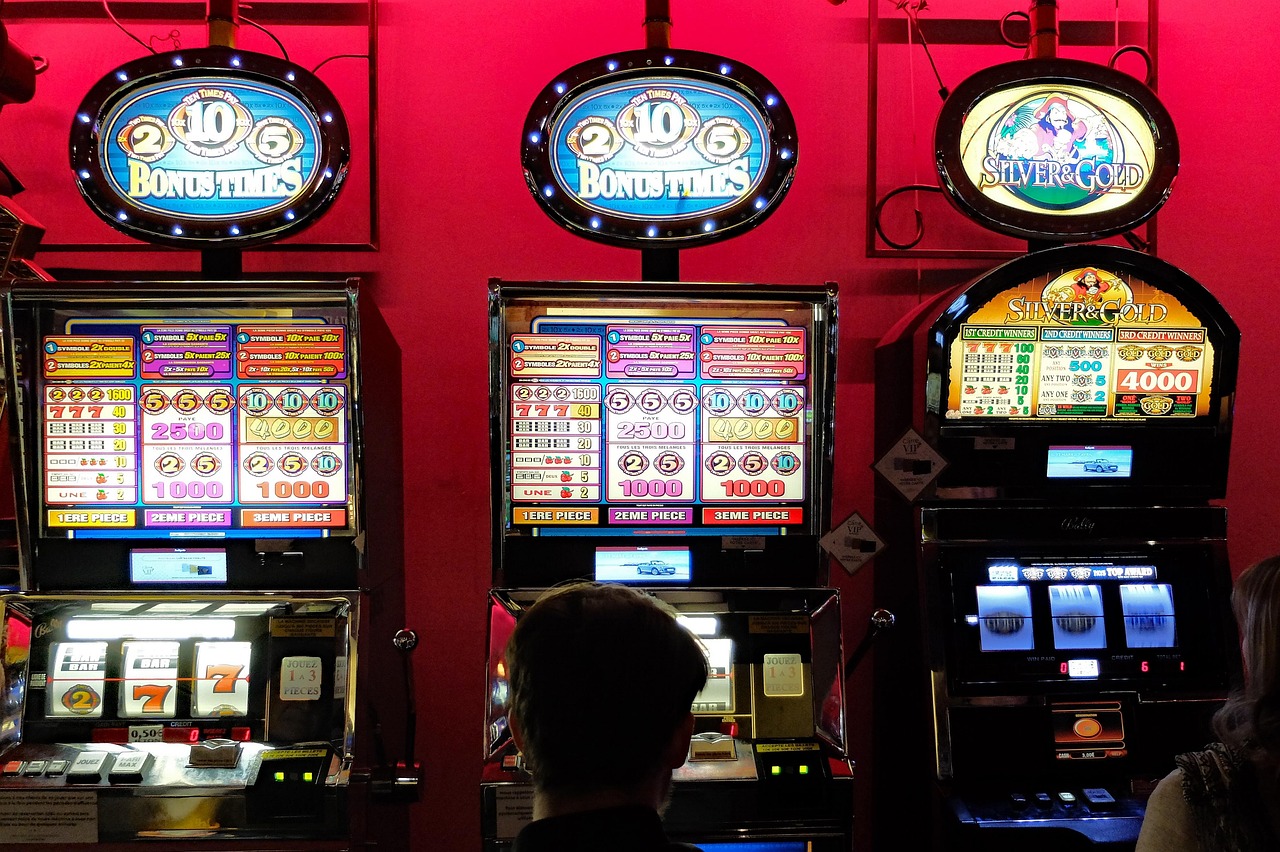
Casino
Image by StockSnap from Pixabay

After hearing oral arguments recently, Eighth Judicial District Judge Michael Schilling will decide whether the language of the ballot was “defective” and “misleading.” He has 60 days to make a ruling that could either bless or halt the casino project.

Confusing Language?

The 2021 ballot was the second instance where Linn County voters had voted on casino gaming. An initial vote held in 2013 was due to expire, and this second referendum aimed to extend the authorization indefinitely, facilitating the Cedar Rapids Development Group (CRDG) to apply for licensing for a proposed $275 million casino.

The question posed on the ballot asked whether legalized gambling “may continue” in the county, a claim made moot by the fact there was no legalized gambling in existence at the time. This contradiction has led the Riverside Casino’s lawyers, who oppose the Cedar Rapids proposal, to label it as nonsensical and misleading.

“In a county where there was no gambling going on, a proposition requiring the approval or defeat of gambling games should ask the voters to approve the initiation of gambling,” stated Mark Weinhardt, an attorney for Riverside, as reported by The Gazette. “It can’t ask them to continue existing gambling games” when such games didn’t exist.

License Granted

The Cedar Rapids Development Group is a collective of local entrepreneurs who wish to establish the casino on city-owned land. On February 6, the Iowa Racing and Gaming Commission voted 4-1 to approve a gaming license for the project.

Riverside, looking to defend its market from the competition the proposed casino might bring, sued, claiming the Commission should not have permitted the license to be issued due to the ballot’s supposed flaws.

Conversely, Sam Jones, an attorney for the Linn County Gaming Association, argued that the voters were well aware of what they were voting on.

“There were 420 written comments submitted to the Gaming Commission, both supporting and opposing the license,” Jones pointed out. “Notably, none of those comments expressed confusion about the language of the ballot or suggested that other voters may have encountered confusion.”

If the casino proceeds, it will be known as the Cedar Crossing Casino & Entertainment Center, featuring a gaming floor boasting 700 slot machines, 22 live-dealer table games, and a sportsbook. Furthermore, it will house restaurants, a 1,500-seat entertainment venue, an arts and cultural centre, and an advanced STEM learning lab.

Summary

The Cedar Rapids casino is a hot topic at the moment as the judge’s ruling looms on whether confusing ballot language might threaten its viability. This case encapsulates the complexities of gaming regulations and voter comprehension, impacting not only local business prospects but also the broader gambling landscape.
Bettys Partnership: How the Maple Leafs and Raptors Impact the Online Casino Market

Bettys New Online Casino Partnership with the Maple Leafs and Raptors

Betty, a leading online casino operator based in Toronto, has recently announced an exciting multi-year partnership with the well-regarded Toronto Maple Leafs and Toronto Raptors. This alliance is poised to create enhanced gaming experiences while promoting community-based initiatives.

Key Highlights of the Partnership

  • Strategic Expansion: Betty is set to broaden its reach across Ontario and beyond with this new collaboration.
  • Activations to Commence: The partnership activations are expected to kick off this October as the NHL season starts.
  • Community Impact: The deal supports community initiatives through the MLSE Foundation, aiming to provide meaningful experiences for fans and players alike.

The Power of Branding

Living in Toronto, one can easily recognise the strong influence of the Toronto Maple Leafs and their dedicated fan base. The partnership places Betty in a unique position to leverage this brand power effectively, offering promotions that resonate with local fans.

online casino
Image by Henry_Wang from Pixabay

Activations to Begin in October

As part of this exciting collaboration, Betty has become the “Official Online Casino Partner of the Leafs and Raptors,” with various activations planned as the hockey season heats up. CEO Chavdar Dimitrov stated, “This partnership represents an important shift for Betty, allowing us to connect with fans in a deeper and more engaging manner. We’re committed to offering exciting opportunities that enhance the connection between sports and gaming.”

A Commitment to Growth and Expansion

The partnership is not merely about branding; it embodies Betty’s ambition to expand its operations, enhance its mobile offerings, and improve its loyalty programs. The company aims to double its revenue in Ontario and venture into new territories. Dimitrov also mentioned the launch of a new mobile app, scheduled for release soon, reflecting their commitment to innovation in the iGaming sector.

Chance to Win Big!

  • Exclusive VIP experiences and events for basketball and hockey fans.
  • Engaging contests and promotions tied to both teams’ performance.
  • Community-oriented programs supporting local initiatives.

What’s Next?

As Betty moves forward with this strategic partnership, many more details and offerings are set to be unveiled in the coming months. This partnership marks a significant milestone in betting and gaming in Ontario, promising an array of exciting experiences for fans and customers.

Conclusion

This partnership symbolizes not just a business move for Betty, but also a step toward fostering a stronger community between sports enthusiasts and the world of online gaming. As they prepare for activations and new offerings, both fans and gamers alike have much to look forward to.

NJ Governor Murphy Commits to Boosting Casino Revenue Within the Garden State

Gaming revenue
Image by Pexels from Pixabay

Maximizing NJ Casino Revenue: Governor Murphy Commits to Keeping Gaming Funds in the Garden State

When analyzing the success of any gaming enterprise, key considerations must center on driving sustainable growth through the optimization of casino revenue. To achieve this, operators must look beyond simple wins and losses, focusing instead on how market dynamics, player behavior, and regulatory environments intersect to impact total casino revenue. Ultimately, mastering operational efficiency is the most vital component in ensuring that every facet of the floor contributes to a steady and predictable increase in casino revenue within this highly competitive sector.

  • Governor Phil Murphy open to allowing casinos outside Atlantic City
  • Three downstate New York casinos set to open soon
  • New York operations pose a challenge to Atlantic City and NJ’s gaming industry

New Jersey Governor Phil Murphy is actively exploring how to secure Atlantic City’s future as it faces growing competition from upstate New York casinos, expected to launch shortly. He has expressed his strong support for measures that will help sustain Atlantic City and ensure that the associated gaming revenue stays within the state.

Murphy, a Democrat, discussed these pressing issues during an interview with the Press of Atlantic City, reiterating that he is open to innovative solutions that could enhance the gaming landscape. “We’re at a pivotal moment. This place is buzzing with activity,” he stated, emphasising the importance of retaining gaming dollars in New Jersey rather than allowing them to flow across the Hudson River.

“I want to maintain our revenues and keep our industry thriving, but I need to understand the potential impact on Atlantic City itself,” said Murphy.

Several casino licenses in New York are set to be awarded by year’s end, including options for slot machines and sports betting. As of now, there are a total of eight applications vying for three licenses spread across high-traffic areas like Yonkers and the Bronx, as well as key locations in Manhattan and Brooklyn.

Emerging Threats from New York

The rising competition from New York threatens to siphon off tourism and revenue from Atlantic City. Notable contenders for these new licenses include:

  • MGM Resorts and Genting, operating the Empire City Casino
  • Hard Rock International’s proposal at Citi Field
  • Casinos proposed in Times Square and near the United Nations

Regardless of which properties ultimately receive the licenses, it is highly likely the new casinos will draw gaming revenues away from Atlantic City, adding to concerns over the city’s viability as a gaming destination.

“I’ve consistently believed that if it’s a competition between New York and New Jersey, I want the gaming revenue to stay on our side of the river,” remarked Murphy. “However, I understand the implications this may have on Atlantic City.”

To permit casinos outside of Atlantic City, a constitutional amendment would require voter approval. Recently, gubernatorial candidates have backed a ballot initiative to gauge public interest in allowing casinos at popular locales such as the Meadowlands.

The Historical Context of Atlantic City

Originally envisioned as a beach resort primarily aimed at middle-class tourists, Atlantic City initially benefitted from its close proximity to cities like Philadelphia. The town really began to thrive during the Prohibition era when it became a haven for illicit alcohol sales.

Following the repeal of Prohibition, the city faced significant socio-economic struggles. In 1976, voters approved a referendum that permitted casinos in Atlantic City, which sparked a revitalisation of the area. This movement marked the start of Atlantic City’s “Golden Era” in the 1980s, triggered by a surge in both real estate development and tourism.

However, the gaming landscape in New Jersey has drastically changed, especially as states like Pennsylvania and New York enter the arena. This shift led to the closure of five casinos between 2014 and 2016, leaving Atlantic City to stabilize at this current count of nine casinos.

With new threats emerging from New York, the future of Atlantic City now hangs in a delicate balance as it seeks to recover and possibly expand in this increasingly competitive industry.

Summary

As New Jersey Governor Phil Murphy articulates a vision for ensuring the longevity of Atlantic City amidst significant competition from New York’s burgeoning casino market, key decisions lie ahead. His openness to considering casinos outside Atlantic City reflects a strategic shift aimed at keeping revenue within New Jersey. With a rich history and a promising summer ahead, the city’s gaming industry stands at a crossroads, facing challenges but also opportunities for growth.

Casino Surveillance: Tracking the Murder Suspect on the Run from Emerald Queen Casino

Casino Surveillance Intensifies: Murder Suspect Still on Run from Emerald Queen Casino

US Marshals and local police are doubling down on their efforts to track down Elijah Dominick Hylton, a suspect in the 2020 fatal shooting of a rival gang member at the Emerald Queen Casino in Tacoma, Washington, intensifying the focus on the casinos security protocols and the effectiveness of ongoing casino surveillance efforts.

  • US Marshals lead hunt for suspected Tacoma shooter
  • Suspect linked to gang feud and prior violent crimes
  • Casino surveillance provided crucial evidence in the case

Hylton, aged 29, is wanted on a first-degree murder warrant issued in January 2023. Investigators believe he shot and killed Ty Jenkins, aged 25, in the casino’s parking garage after an argument erupted on the gaming floor.

betting strategies
Image by besteonlinecasinos from Pixabay

The incident escalated rapidly; surveillance footage captured Hylton exiting the casino and firing at Jenkins before fleeing the scene in a red Toyota Corolla.

Getaway Driver Charged

Authorities arrested Hylton’s brother, David Sekou Sebowa Ward, in 2022, believing him to be the getaway driver. Ward has been charged with first-degree murder and is currently awaiting trial.

This shooting was likely a retaliation, with both men believed to be part of rival gang factions. Hylton reportedly has ties to local members of the Crips gang.

During the search of Jenkins’ vehicle, officers found a 9 mm pistol and a rifle. Ballistics tests showed the handgun had been linked to at least four other shootings and a homicide.

Investigators suspect Jenkins had previously been robbed during a firearm sale, potentially involving Hylton. In a separate attack in July 2020, two individuals were shot in retaliation for this robbery, with shell casings matching Jenkins’ firearm found at the scene.

‘Armed and Dangerous’

The police identified Hylton based on surveillance video, which notably showed him wearing four distinctive rings on his left hand. These rings were later pawned shortly after the shooting, which led to their recovery as evidence.

Hylton is described as approximately 5 feet 10 inches tall and weighing about 160 pounds, with brown hair and hazel eyes. Authorities warn he may still be in the Puget Sound area but have not ruled out the possibility of him fleeing.

Police advise the public not to approach Hylton and to report any sightings immediately by calling 911 or reaching out to the US Marshals at 1-877-WANTED-2 (1-877-926-8332) or Crime Stoppers at 1-800-222-8477.

Conclusion

The case remains under intense scrutiny as authorities ramp up their efforts to locate Elijah Hylton. With his dangerous background and potential to arm himself further, the urgency for public assistance is paramount. Hylton’s capture would not only bring closure to the family of Ty Jenkins but also send a message regarding gang violence and accountability in the community.

Elaine Wynns $2 Billion Estate and the Future of Casino Shares

$2 Billion Estate: What It Means for Casino Shares

Elaine Wynn, co-founder of Wynn Resorts, left behind a remarkable legacy valued at around $2 billion, primarily tied to the valuation of its casino and gaming operations. Following her passing, attention has turned to how this vast wealth, including potential casino shares, is managed, as the estate has been allocated to the Elaine P. Wynn Family Trust, although the ultimate beneficiaries remain publicly undisclosed.

Casino shares
Image by u_azrr1basez from Pixabay

  • Estate Details: Elaine’s estate consists of various assets, including homes in Los Angeles and Las Vegas, as well as significant shares in Wynn Resorts.
  • Executors of the Trust: The trust will be managed by her daughters, Kevyn and Gillian, alongside her nephew, Andrew Pascal, and Activision Blizzard’s CEO, Bobby Kotick.
  • Trust Management: The executors’ responsibilities include making decisions about buying and selling assets, including any shares in Wynn Resorts.

Wynn’s Legacy: At her time of passing, Elaine Wynn held approximately 8% of Wynn Resorts’ outstanding shares, marking her as the second-largest individual shareholder in the company, second only to Tilman Fertitta.

The future of her shareholdings is particularly significant, especially given the company’s current leadership dynamics. It has been highlighted that Fertitta, who is a passive investor in Wynn Resorts, has expressed concerns regarding its leadership.

Executors and Beneficiaries

The executors listed in the family trust include:

  • Kevyn Wynn (daughter)
  • Gillian Wynn (daughter)
  • Andrew Pascal (nephew and former Wynn Resorts executive)
  • Bobby Kotick (CEO of Activision Blizzard)

While the exact beneficiaries of the family trust remain unspecified, it is widely believed that it will ultimately benefit Elaine’s daughters.

Non-family Executor: Bobby Kotick

While primarily a family affair, Kotick’s appointment as a non-family executor reflects the strong connections he has forged with the Wynn family over the years. His relationship with the Wynee family began when he was just a teenager—a venture that saw Wynn investing in Kotick’s early software startup.

“Contracts—shmontracts. You’re my family now,” Kotick recalls Wynn telling him after their business deal.

This close relationship continued through their professional paths, with Wynn serving as a mentor to Kotick.

Current Implications for Wynn Resorts

According to financial analysts, Elaine Wynn’s remaining stock and estate will greatly impact Wynn Resorts’ future, especially considering existing tensions with stakeholders and leadership decisions. Todd Shriber of Casino.org notes:

“The fate of the stock is crucial; rapid liquidation could signal near-term disadvantages.”

With Elaine Wynn’s passing, the focus now shifts to how the trust will handle its shares in Wynn Resorts, alongside her real estate assets, which include a luxury condo currently listed for $3.49 million.

Summary

Elaine Wynn’s $2 billion estate will be managed through a family trust led by her daughters and trusted business associates. The implications of her passing extend beyond the family, with potential significant impacts on Wynn Resorts and its future direction. As the executors navigate this complex situation, the legacy of Elaine Wynn and her influence on the gaming industry continue to resonate.

DraftKings CEO on Illinois Tax Hike and the Future of Sports Betting

DraftKings CEO on Illinois Tax Hike: What It Means for the Sports Betting Industry

DraftKings co-founder and CEO Jason Robins has expressed his strong discontent regarding the latest sports betting tax increase in Illinois, calling it “incredibly ill conceived.” The newly enforced law imposes a tax of 25 cents on an operator’s first 20 million bets, and a further fee of 50 cents on all subsequent bets.

sports betting
Image by eGamingImagery from Pixabay

In a recent CNBC interview, Robins criticized the tax hike as burdensome, enhancing the already difficult conditions faced by sports betting operators in Illinois, particularly DraftKings and rival FanDuel. Both companies have implemented a fee of 50 cents per bet to cover the increased operational costs, which will directly affect bettors starting September 1. However, both firms have committed to retracting these fees if lawmakers negotiate a more reasonable solution.

Implications of the Illinois Tax Hike

Robins believes that this tax hike will not only impact big operators but also severely affect smaller firms. According to him, the hefty transaction costs may drive bettors towards unregulated or illegal betting options, undermining the legal sports betting market. He elaborated:

“It just makes no sense. It was done in the dead of night. We had no warning. We actually met with legislative leaders in the weeks before the budget was released and they made no mention of this.”

Furthermore, with the implementation of over 50 tax increases in Illinois since Governor J.B. Pritzker’s administration began in January 2019, Robins highlighted the necessity for education among lawmakers. He indicated that they might not fully grasp how these tax increases apply to gross receipts rather than to profits or revenue, which could lead to more significant implications for the market as a whole.

Potential Risks for Bettors and Operators

While analysts believe that Illinois’ unique per bet tax scheme is improbable to be replicated in other states, some states like Louisiana and Maryland have already adjusted their sports wagering taxes upwards this year. Other states including Massachusetts, New Jersey, and North Carolina may follow suit.

Robins warns that such hikes could stifle innovations in the gaming sector and ultimately lead to consumer detriment:

  • Activity could shift to the illegal market and reduce tax revenues for the state.
  • Consumer protections will vanish, allowing minors easier access to betting options.
  • The very purpose of legalizing such activities—to safeguard consumers and generate tax revenue—will be undermined.

In conclusion, Rest assured that Illinois’ recent tax hike is under heavy scrutiny, not only from industry leaders like Robins but also from stakeholders advocating for the long-term sustainability of the legal betting landscape.

This discourse is vital not just for Illinois but also serves as a cautionary tale for other states considering similar paths. As more debates arise around sports betting regulations, the balance between taxation and fostering a healthy market remains a critical conversation.

Overall, as Jason Robins stated, deregulation and consumer protection should remain at the forefront of our discussions to ensure the future of sports betting is both profitable and safe.

From Luxury to Las Vegas: A Deep Dive into High-End Casino Amenities | 10BET

$26 Las Vegas Casino Amenities Spark Internet Outrage

A guest at the Aria in Las Vegas recently sparked immense outrage after being charged $26 for a bottle of minibar water, an experience that highlighted how even minor pricing discrepancies can overshadow high-end casino amenities. Following this experience, the guest shared his story with a travel blog, leading to significant social media reactions regarding whether the total value of luxury casino amenities truly justifies the steep costs associated with premium gambling accommodations.

online casino
Image by u_azrr1basez from Pixabay

It all began when the unidentified guest emailed his frustration, along with the receipt, to the travel website From the Wing. He pointed out that there was no price listed on the bottles in the minibar or anywhere nearby, making it difficult to know what he would be charged for the 500ml bottles of Eska water, which typically retail for just over $2 plus tax at Walmart. The guest decided to refrain from opening one of the bottles until he confirmed the cost.

However, in a twist of unfortunate timing, he consumed one bottle out of sheer thirst while waiting for an overworked hotel staff member to restock the minibar and answer his query. The guest humorously noted, “Fortunately, the Starbucks downstairs sold water for only $7.45.” To add to his frustration, the travel website revealed that the minibar restocker discovered food crammed in the fridge from two prior guests due to cutbacks on staffing.

slot games
Image by djedj from Pixabay

The incident was quickly spread on social media, with the Las Vegas Locally account sharing the story on June 16, attracting over 146,000 views and substantial public feedback. Many users expressed their shock over the exorbitant prices associated with hotel amenities:

  • “The minibar is a punishment for choosing that hotel,” noted commentator @ericcervantez.
  • “A hotel could increase occupancy and attract more guests by eliminating resort fees and the outrageous pricing of incidentals like water,” suggested @solidfreez.
  • “Vegas encourages visitors to come to the desert and then gouges them with inflated prices while they’re stuck there,” wrote @MarkRingo12. “Guests ought to receive a refrigerator stocked with free water, while sports bettors and gamblers deserve complimentary drinks and other amenities.”

Even the blogger from From the Wing criticized MGM Resorts, the operator of the Aria, suggesting that they have abandoned any sense of hospitality. He argued that this scenario exemplifies costs that can lead to feelings of being cheated during a Las Vegas trip. This kind of negative experience is especially troublesome as it occurs while Las Vegas faces declining visitor numbers for the fourth consecutive month, according to the latest statistics from the Las Vegas Convention and Visitors Authority.

MGM Resorts International has yet to comment on the incident.

Key Takeaways

  • The incident exemplifies the ongoing issue of high pricing in Las Vegas hotels.
  • Social media feedback highlights guest frustrations about costly hotel amenities.
  • The narrative reflects wider concerns over hospitality standards in Las Vegas.

In summary, the outrage over the $26 water charge at the Aria encapsulates a broader dialogue regarding hospitality and pricing in Las Vegas. This serves as a reminder for visitors to remain vigilant and informed when consuming hotel services. Astute travelers may consider bringing their own refreshments or seeking alternative sources for their needs to avoid steep hotel charges.

Horse Racing Betting Under Pressure: How Immigration Crises Affect Futures at Delta Downs | 10BET

Master Horse Racing Betting at Delta Downs: Expert Tips and Winning Strategies

Key Highlights: Dive into the heart of the track and master the art of horse racing betting, where we reveal the most lucrative wagering opportunities, major race outcomes, and the essential statistics every avid gambler needs to win.

  • Over 80 undocumented racetrack workers arrested in ICE raid
  • Horses reportedly left unattended during sudden enforcement operation
  • Industry questions labor practices and equine safety oversight

In a startling turn of events, Louisiana’s Delta Downs racetrack was placed in lockdown during Tuesday morning’s joint immigration enforcement raid that primarily targeted backstretch workers. This operation involved the shutdown of several roads surrounding the racetrack, leading to widespread concerns within the horse racing community.

horse racing
Image by kalle2709 from Pixabay

According to reports from U.S. Immigration and Customs Enforcement (ICE), more than 80 individuals were arrested for working without proper documentation. Among those detained were several individuals with prior criminal convictions or multiple illegal entries into the U.S.

As ICE continues to investigate potential criminal conduct associated with the hiring of these undocumented workers, many in the industry have raised alarm over deep-seated labor practices and welfare oversight. Eric Hamelback, CEO of the National Horsemen’s Benevolent and Protective Association (HBPA), voiced serious concerns regarding the treatment of horses during the raid. He mentioned that some horses had been left unattended on wall ties and machines, jeopardising their well-being. “I was informed of one rider who was forced to dismount and let their horse go. There’s a serious lack of concern for equine welfare here,” he expressed.

Welfare Concerns

The situation at Delta Downs, which is currently undergoing a Quarter Horse meet, raises questions about animal safety during rapid enforcement actions like this. Further complications arise from the backstretch operations, where workers care for and prepare horses, encompassing stables and maintenance areas.

Reliance on Immigrant Labor in Horse Racing

The horse racing industry has a long history of relying on immigrant workforce for low-wage, physically demanding roles primarily located in the backstretch. However, many of these workers are not directly employed by the racetrack; rather, they are often hired by trainers or subcontracted entities, leading to precarious work conditions.

While many workers are hired legally through the H-2B visa programme, navigating these legal channels proves a challenge. The complexity and costs associated with obtaining these visas often lead trainers to seek informal labor arrangements, leaving a portion of the workforce vulnerable to exploitation. Data released by industry reports suggest improving job conditions and wages could attract more domestic workers to these roles.

“Our company complies fully with federal labor laws, and to our knowledge, no Delta Downs team members were involved in this matter. We will cooperate with law enforcement as requested,” stated Boyd Gaming in an official release.

This incident marks the first large-scale immigration raid at a U.S. racetrack since the Trump administration commenced in January, coinciding with a wave of anti-ICE demonstrations that occurred in multiple U.S. cities recently. While many protests remained peaceful, some escalated to violent confrontations, especially in areas like Los Angeles and Portland, sparking a wider discussion regarding immigration and enforcement policies in the U.S.

More Facts on the Incident

  • Over 200 miles away from New Orleans, Delta Downs is a prime location for horse racing enthusiasts.
  • The industry has been scrutinized for its reliance on undocumented workers, leading to proposed reforms.
  • Multiple stakeholders, including animal welfare groups and labor rights advocates, continue to call for better working conditions.

As this situation unfolds, both the racing community and the broader public will be closely observing the implications of such enforcement actions for the future of racing in the U.S. The balance between regulatory compliance, animal welfare, and fair labor practices will be crucial moving forward.

In summary: The recent ICE raid at Delta Downs has exposed critical issues surrounding labor laws and animal welfare in the horse racing industry. The arrests of over 80 workers and potential implications for horses and job conditions highlight the need for a comprehensive review of immigration practices and animal care standards in racing.

MGM China Leads Macau Rivals in Table Games Resurgence, Analysts Say

MGMs Casino Resurgence Driven by Surge in Table Games, Outpacing Macau Rivals According to Analyst

  • MGM China operates two prominent casino hotels in Macau.
  • The company benefits from the addition of more table game capacity, unlike many competitors in the region.

Despite facing challenges from the ongoing impacts of the coronavirus pandemic, the global trend in casino gaming is showing signs of recovery as players return to their favorite table games. This resurgence is particularly evident in Macau’s gaming revenue, which is demonstrating a positive upward trend spearheaded by MGM China as patrons once again gather around the felt to engage in strategic play.

MGM China, which owns the MGM Macau and MGM Cotai, is not just bouncing back; it’s strengthening its market share in the world’s largest casino market. A recent report by Morningstar’s analyst, Jennifer Song, highlighted how Pansy Ho’s company is capitalising on a significant increase in their table game offerings.

casinos
Image by Arcaion from Pixabay

Recently, MGM China received authorisation for an additional 200 gaming tables as part of their operational expansion through the 2023-2032 concession period. This marks a substantial 36% increase in their capacity, especially considering that other casinos in Macau, on average, have reduced their table counts by approximately 11%. These additions are part of MGM China’s strategy to modernise its facilities, enhance customer experience through renovations, and leverage data analytics for targeted marketing. This comprehensive approach positions MGM China strongly against its competitors.

MGM China’s Financial Resilience

Operating a casino in Macau can be particularly costly due to the government’s push for operators to diversify into non-gaming sectors, which has led to increased operational expenses. However, MGM China is well-equipped to navigate these financial waters, thanks to its robust balance sheet. By the end of the last fiscal year, they reported having a healthy cash reserve of $685 million, coupled with access to a $1.5 billion revolving credit facility.

This financial strength also facilitates the continuation of their dividend program. MGM China resumed dividends in 2023, maintaining a payout ratio of 50% for 2023 and 2024, with expectations of similar results for 2025 as they continue to gain financial momentum.

For investors in MGM Resorts International (NYSE: MGM), MGM China’s success is particularly pertinent, given that the Las Vegas-based parent company owns about 56% of the Macau-based operator, making its performance foundational to the parent company’s portfolio.

Prospects for Margin Growth

Looking ahead, analysts forecast moderate growth for MGM China with net revenue and earnings before interest, taxes, depreciation, and amortization (EBITDA) expected to rise by 3% and 2% respectively by 2029. Furthermore, analyses suggest that EBITDA margins could average around 28% during this period, a small increase from 27% in 2019. This growth will largely be driven by enhanced operational efficiency and an upward shift toward more profitable mass segment gaming.

Interestingly, while Macau’s gaming penetration rate stands at only 2%, significantly lower than Las Vegas’ rate of 12%, experts believe this gap suggests a promising avenue for long-term expansion and profitability in the Chinese territory.

In Summary

In summary, MGM China’s strategic expansions, robust financial footing, and proactive marketing strategies set it apart in the competitive landscape of Macau’s gaming market. As the company enhances its offerings with more gaming tables and seeks to appeal to a higher-quality customer base, it appears poised for an upward trajectory in both performance and profitability in the coming years.

iGaming Revenue Surge Driven by Pennsylvania Gaming Success

iGaming Revenue Trends: Pennsylvania’s Growth Signals a Massive Shift as Gamblers Lose $601 Million

  • Pennsylvania gaming revenue hit a record high in May 2025
  • Gamblers in the Keystone State lost $601.8 million last month
  • iGaming continues to experience growth

Pennsylvania’s gaming sector achieved remarkable success in May 2025, highlighted by a record-breaking loss for gamblers totaling over $601 million. This impressive figure serves as a powerful indicator of surging iGaming revenue, underscoring an accelerating trend where the escalating popularity and widespread adoption of digital platforms are driving unprecedented financial growth across the state.

Online gaming
Image by Mimzy from Pixabay

The Pennsylvania Gaming Control Board (PGCB) recently announced that May 2025 was the most successful month in the state’s gaming history.

Gross gaming revenue (GGR)—the amount retained by the 17 physical casinos, online gaming platforms, sportsbooks, video gaming terminals, and fantasy sports—totaled over $601.8 million. This represented a nearly 16% increase from the previous year, equating to an additional $80.8 million.

May marked a historic first, where GGR exceeded $600 million. This surge surpasses the previous high set in March 2025, when GGR was $574.5 million.

In terms of national rankings, Pennsylvania’s GGR of $601.8 million places it third in the country, trailing only New Jersey, which reported $614.6 million in GGR, while Nevada has yet to disclose its numbers but is expected to exceed $1.2 billion.

iGaming Powers Record

May proved to be beneficial for multiple gaming verticals in Pennsylvania, including retail slots, retail tables, iGaming slots, iGaming tables, iGaming poker, sports betting, video gaming terminals (VGTs), and fantasy sports. However, there were slight declines in some areas:

  • Fantasy sports contest fees dropped by 5%, resulting in $1.1 million.
  • Retail table revenue saw a decrease of 4.5% to $79.9 million.
  • VGT revenues dipped by 0.08%, totaling $3.7 million.

Conversely, retail slot revenue ascended by 5%, reaching $224.8 million. Notably, oddsmakers retained 34% more, accumulating $59.4 million.

Online gaming significantly contributed to the record month—online slots generated revenues of $177.2 million, marking a substantial 40% increase from May 2024. Online table gaming rose by 18% to $52.9 million, while poker rake increased by 21% to $2.7 million.

The combined iGaming revenue of $232.8 million represented an increase of nearly $58.8 million compared to May 2024.

Skill Game Insights

Despite the impressive performance of Pennsylvania’s gaming sector, it has sparked discussions around the regulation of skill games—operations that resemble slots but require player interaction to determine outcomes. Currently, these skill games are exempt from Pennsylvania’s gaming laws.

Legislation is under consideration to formally legalize skill games, which are commonly found in pubs, cafes, and convenience stores throughout the state. Governor Josh Shapiro has expressed support for the legalisation, as it could generate additional tax revenue.

While the regulated casino industry is thriving, ongoing discussions regarding skill games are vital, especially considering the estimated 67,000 unregulated skill games that operate in Pennsylvania.

With record revenues being reported by the regulated gaming industry, the casino lobby’s argument that skill games siphon customers from traditional casinos may lose credibility.

Summary

In summary, Pennsylvania’s gaming revenue in May 2025 showcased an exceptional milestone within the industry. While gamblers faced losses totaling over $601 million, the growth of online gaming (iGaming) and traditional gaming methods is promising for the state’s financial future. As discussions on regulating skill games continue, the landscape for Pennsylvania’s gaming industry remains dynamic and full of potential.