

Tag Archive for: Gaming Regulation

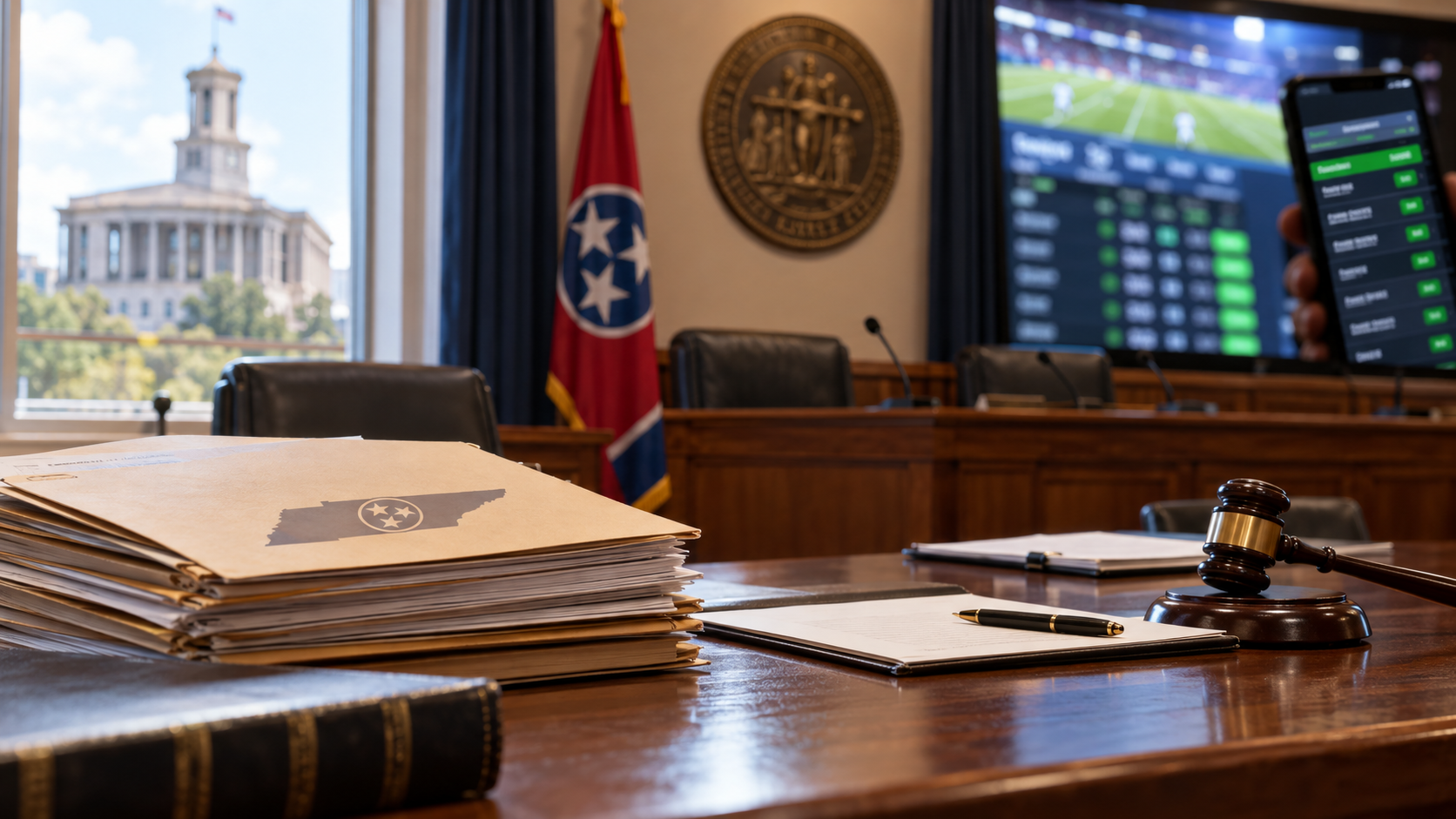
Editorial illustration for Tennessee Gaming Regulations: Underdog Lawsuit Tests State Enforcement

Tennessee Gaming Regulations: Underdog Lawsuit Tests State Enforcement

Tennessee Gaming Regulations: Underdog Lawsuit Tests State Enforcement

Tennessee gaming regulations is the focus of this original U.S. casino-news briefing after Underdog Suing Tennessee Over State’s Effort to Enforce Gaming Regulations reported the development. The article separates verified source facts from analysis and practical context; it is not a legal conclusion, investment recommendation, betting tip, or promise of a result.
What the source reports

Underdog sued Tennessee after the state issued a cease-and-desist letter concerning its event-contract platform. The company argues that its designation as a federally regulated Designated Contract Market gives it authority under the Commodity Exchange Act, while Tennessee argues that state gaming laws still apply. The source describes the filing as the seventh state lawsuit brought by Underdog in this dispute. The source page was published on Fri, 16 Oct 2026 15:58:32 +0000. Readers should open the original report for its complete wording, named documents, later corrections, and updates that cannot be reproduced in a short briefing.

Why Tennessee gaming regulations matters

The Tennessee case is part of a larger national dispute over whether federal commodities law preempts state wagering rules. The source notes that a prior district-court decision was later overturned by the Sixth Circuit, which is an important reason not to treat an earlier ruling as the final answer. A complaint records one party’s claims; the court still has to decide the requested relief.

U.S. casino and gambling markets do not operate under one nationwide rulebook. State law, tribal sovereignty, licensing, court decisions, tax treatment, advertising standards, technology, and consumer-protection requirements can all affect how a development is understood. A result from one property, state, company, regulator, or court proceeding should not automatically be applied to every operator or customer.

How to read the claims and numbers

Readers should identify what is directly reported, what is attributed to a company, analyst, regulator, or public official, and what remains disputed or incomplete. Revenue is not the same as profit. A projection is not a certainty. A license is not proof of future performance. A proposal is not a completed facility. An allegation or threatened lawsuit is not a judgment. A promotion is not a guaranteed return. Those distinctions keep a fast-moving news item useful without overstating it.

Related search phrases include Tennessee gaming regulations, sports betting enforcement, prediction market regulation. These phrases describe neighboring topics for navigation; they do not add new claims to the source report. Search volume does not establish legality, safety, value, or the likelihood of a favorable outcome.

What to watch next

Follow-up reporting should check official filings, regulator notices, court dockets, property announcements, and later source updates. Where a story involves a proposal, market figure, legal dispute, opening, product, or promotion, the next meaningful event may be a hearing, approval, settlement, updated report, installation, launch, or correction. Readers should confirm dates, terms, age limits, location restrictions, current availability, and any conditions before making travel, financial, or wagering decisions.

Related reading and official context

For related reading on this destination site, see Underdog Prediction Markets Lawsuit: A Five-State Legal Push, Underdog Prediction Markets Lawsuit: A Five-State Legal Push, Pechanga Resort Casino Launches Chapter to Support Women in Gaming. These links are provided for context and are not endorsements of an operator, product, promotion, investment, or wager. Official context is available from Tennessee Sports Wagering Advisory Council and National Council on Problem Gambling.

FAQ

Does this story change gambling rules across the United States?

No. Its effect depends on the jurisdiction, organization, product, and current official rules. A development in one state, tribal market, company, property, or court case does not automatically apply nationwide.

What should readers verify before acting on the news?

Check the original source, publication date, relevant regulator or organization, current terms, and whether the information is a proposal, estimate, allegation, award, license, scheduled event, or completed action. For financial or legal questions, use current primary documents and qualified professional advice.

How can gambling stay recreational?

Only participate where legal, set a budget and time limit before starting, avoid chasing losses, and never use money needed for essentials. If gambling becomes difficult to control or affects finances, relationships, or wellbeing, take a break and seek confidential help from a qualified support service.

Responsible gambling: Gambling involves risk and is not a way to make guaranteed income. Only participate where legal, use money you can afford to lose, set limits in advance, avoid chasing losses, and seek qualified support if gambling affects your finances, relationships, or wellbeing.

Original source: Underdog Suing Tennessee Over State’s Effort to Enforce Gaming Regulations from Casino.org News. Authoritative supporting links: Tennessee Sports Wagering Advisory Council and National Council on Problem Gambling.

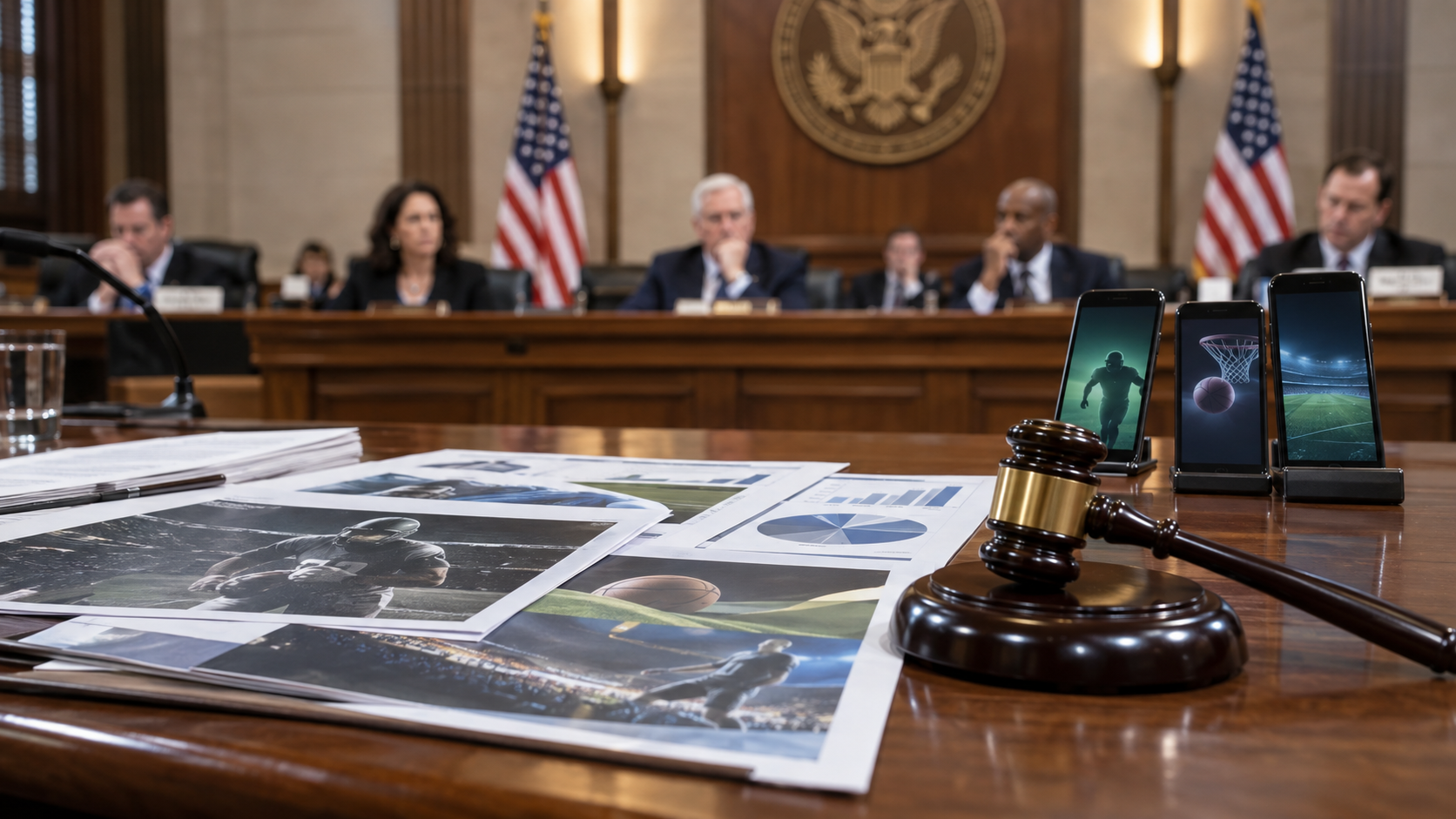
Editorial illustration for FTC Sports Betting Review: Preliminary Inquiry Puts Industry Practices Under Scrutiny

FTC Sports Betting Review: Preliminary Inquiry Puts Industry Practices Under Scrutiny

FTC Sports Betting Review: Preliminary Inquiry Puts Industry Practices Under Scrutiny

FTC sports betting review is the focus of this USA casino and gambling news briefing. It is based on Report: FTC Begins Preliminary Review of US Sports Betting Industry, published by Covers — Betting News on October 13, 2026. The original source remains visible so readers can separate reported facts from analysis and follow-up questions.

What the original report establishes

Covers reported that the Federal Trade Commission had begun a preliminary review of the U.S. online sports-betting industry, with early attention on potential deceptive advertising and gambling-related harm. The article cited annual U.S. online sports-betting revenue above $16 billion and said prediction markets might not be included in the initial review. It also described complaints and lawsuits involving VIP marketing and bonus terms. A preliminary review is not a final enforcement finding, and readers should distinguish reported allegations from established violations.

The source is specific about the people, property, company, regulator, court, study, filing, event, or market activity at issue. That matters because a single announcement or legal step does not automatically describe every operator or customer in the United States. The most accurate reading starts with the date, the named parties, and the action that has actually occurred.

Why FTC sports betting review matters

FTC sports betting review gives readers a useful lens for understanding a wider market question. FTC sports betting industry, sports betting regulation, U.S. betting oversight can help explain the surrounding context, but the related phrases should not be treated as additional facts. They are search-language variations for readers who want to explore the subject further.

U.S. gambling is governed through a patchwork of state laws, tribal compacts, licenses, court decisions, federal rules, and consumer-protection expectations. A new development in one state or business can affect public discussion without changing the legal position everywhere else. Readers should check the relevant authority before assuming that a rule, product, promotion, technology, or market trend applies to them.

What operators, regulators, and consumers should watch

Operators and suppliers may focus on compliance, customer experience, staffing, technology, capital plans, or timing. Regulators may examine licensing, advertising, data handling, consumer harm, public records, and whether an activity falls within their authority. Consumers should ask what product or event is actually covered, which terms apply, and whether anything they can legally do today has changed.

Readers can compare the report with Federal Trade Commission, National Council on Problem Gambling. Those official or specialist resources provide additional context, but they do not turn this article into legal, financial, investment, clinical, or wagering advice. A proposal, allegation, survey, award, application, marketing claim, or enforcement action should remain labeled as such until later evidence changes the record.
What comes next

The next useful evidence may be a regulator notice, court order, official filing, later research release, company statement, audited result, or follow-up report. That evidence may confirm implementation, narrow an allegation, change a timeline, or show that an early estimate did not hold. Until then, the responsible approach is to describe the current development narrowly and avoid treating a headline as a guaranteed outcome.

Related reading

Related coverage on this site includes Wyoming Sweepstakes Casino Ban: Proposal Brings Consumer Rules Into Focus, UFC 310 Sports Betting Guide: Pantoja vs Asakura Odds, West Virginia Online Casino: Games Global Expands U.S. Presence. These links add background and are not endorsements of an operator, promotion, investment, event, or wager.

FAQ

Does this update change gambling rules across the United States?

No. Casino, lottery, sports-betting, tribal-gaming, and prediction-market rules vary by jurisdiction. Check the relevant state, tribal, federal, or court source before relying on a general description.

How should readers judge an early report?

Confirm the original source and date, identify whether the item is a final decision or an allegation or proposal, and look for the next official filing or regulator update.

How can gambling stay recreational?

Set a budget before playing, avoid chasing losses, take breaks, and treat gambling as entertainment rather than income. If gambling is becoming difficult to control, seek support from a qualified service.

Responsible gambling: Gambling involves risk and is not a guaranteed way to make money. Only play where legal, use money you can afford to lose, and seek help if gambling affects your finances, relationships, or wellbeing.

Original source: Report: FTC Begins Preliminary Review of US Sports Betting Industry. Authoritative supporting links: Federal Trade Commission, National Council on Problem Gambling.
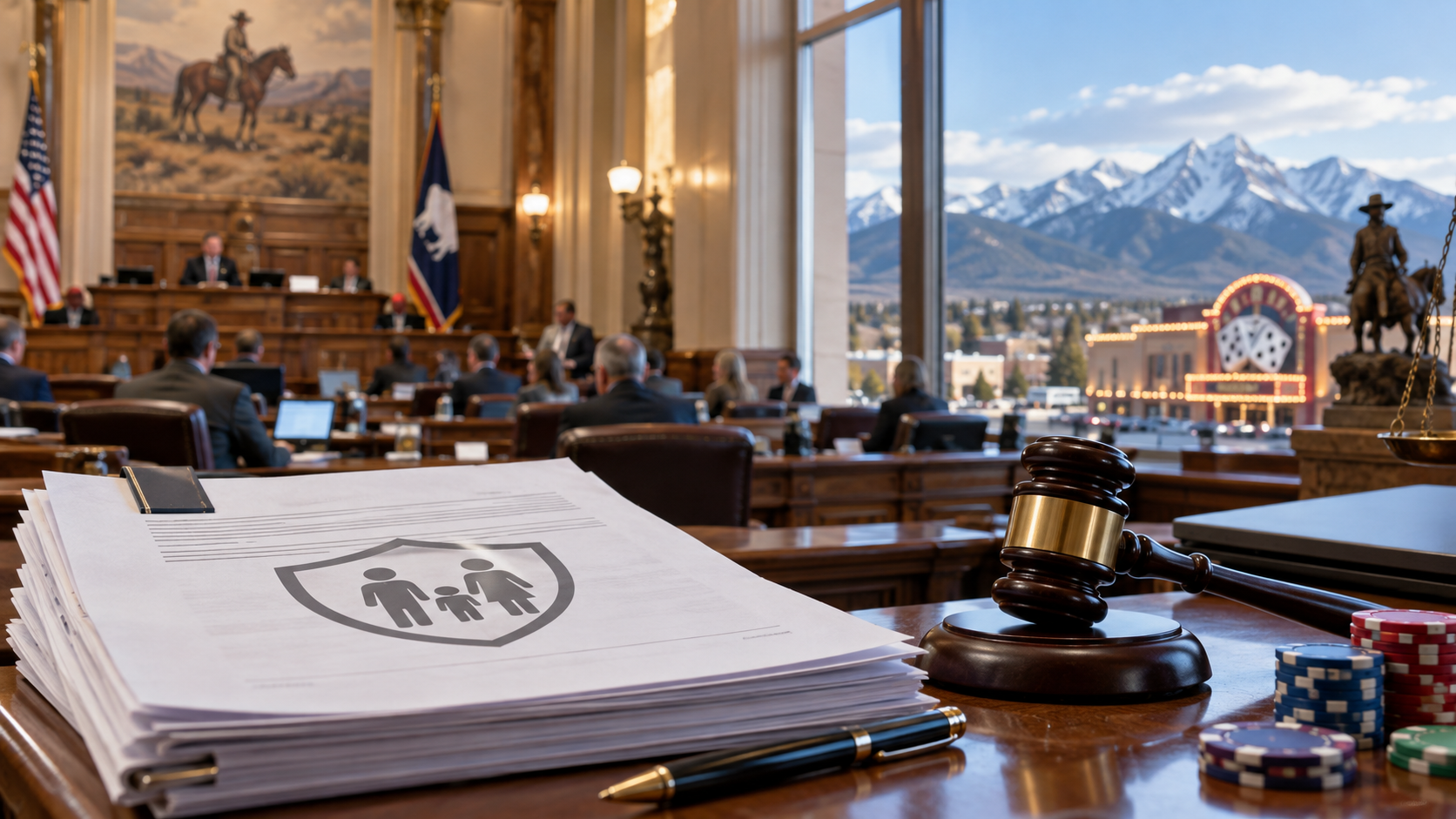
Editorial illustration for Wyoming Sweepstakes Casino Ban: Proposal Brings Consumer Rules Into Focus

Wyoming Sweepstakes Casino Ban: Proposal Brings Consumer Rules Into Focus

Wyoming Sweepstakes Casino Ban: Proposal Brings Consumer Rules Into Focus

Wyoming sweepstakes casino ban is the focus of this U.S. casino and gambling news briefing. It is based on Wyoming Sweepstakes Casino Ban Proposal: What to Know, published by Action Network — News on October 12, 2026. This original article keeps the source visible while adding context about what is known, what remains specific to the reported situation, and what should be checked next.

What the original report establishes

The source said Wyoming’s Select Committee on Gaming unanimously voted to sponsor draft legislation that would ban online sweepstakes games and treat operating covered games as professional gambling, a felony under existing state law. It also made the key procedural point that the proposal is not law: it still needs review and legislative approval and was sent to the Legislative Management Council ahead of the 2027 session. Readers should not treat a committee action as an immediate statewide ban.

The linked report is the primary source for the development described in the headline. Its value is the defined event, statement, review, result, or report it identifies. Readers should keep that specific record separate from assumptions about every operator, bettor, property, regulator, or technology provider in the United States.

The most useful way to read this kind of update is to identify who made the statement, which company, property, agency, court, or community is involved, the relevant date, and what action has actually occurred. A report may describe a proposal, an investigation, an award, an analyst view, a technology announcement, a property event, a market figure, or a legal process without resolving every question that follows.

Why Wyoming sweepstakes casino ban matters

Regulatory and legal stories turn on exact authority, jurisdiction, procedural posture, and the difference between an allegation, a proposal, a review, an order, and a final ruling.

For operators and suppliers, the next questions may involve compliance, customer experience, staffing, technology, capital plans, or timing. For regulators and public officials, the evidence may include legal authority, public records, procedural status, licensing conditions, and whether safeguards are working. Consumers should ask what product, property, contract, event, or proposal is involved and whether anything they can legally do today has changed.

U.S. gambling markets are not one uniform system. State laws, tribal compacts, licensing conditions, tax rules, advertising standards, court decisions, and responsible-gambling expectations can produce different outcomes in neighboring jurisdictions. A development in one state or company should not be presented as proof that every casino, sportsbook, lottery, prediction market, or online platform faces the same conditions.

What to watch next

The next useful evidence may come from an official filing, regulator notice, court docket, company update, event organizer, audited result, or later report. That follow-up can clarify whether a proposal advances, a review produces a decision, a product is implemented, an award leads to further work, an analyst view is supported by later results, or a legal claim changes. Until then, the most accurate approach is to describe the current development narrowly and keep confirmed facts separate from estimates, commentary, allegations, and future possibilities.

Readers can compare the original account with Wyoming Legislature and National Council on Problem Gambling. Those resources provide official or industry context, but they do not turn this article into legal, tax, investment, clinical, or wagering advice.

Related reading

Related coverage on this site includes UFC 310 Sports Betting Guide: Pantoja vs Asakura Odds, West Virginia Online Casino: Games Global Expands U.S. Presence, Tribal Prediction Market Apps: Kalshi Partners With Four Tribes. These links offer additional reading and are not endorsements of an operator, promotion, investment, event, or wager.

FAQ

Does this report change gambling rules everywhere in the United States?

No. Casino, lottery, sports-betting, tribal-gaming, and prediction-market rules depend on state law, tribal authority, licensing conditions, court decisions, and regulator guidance. A development involving one jurisdiction or company does not automatically apply nationwide.

What should readers verify before acting on this news?

Check the original source, publication date, named agency or organization, current terms, and whether the information is a proposal, estimate, allegation, review, order, forecast, or completed action. Use current official materials for legal, tax, financial, or consumer questions.

How can gambling stay recreational?

Set a budget and time limit before play, take breaks, and treat gambling as entertainment rather than income. If it stops feeling manageable, contact a qualified gambling-support service.

Responsible gambling: Gambling involves risk and is not a guaranteed way to make money. Only participate where legal, use funds you can afford to lose, set time and spending limits, avoid chasing losses, and seek qualified support if gambling affects your finances, relationships, or wellbeing. The National Council on Problem Gambling provides confidential information and support.

Original source: Wyoming Sweepstakes Casino Ban Proposal: What to Know from Action Network — News. This is an original summary and context piece based on that report.

Editorial illustration for Seneca Nation Gaming Compact: Negotiation Claims Raise New Questions

Seneca Nation Gaming Compact: Negotiation Claims Raise New Questions

Seneca Nation Gaming Compact: Negotiation Claims Raise New Questions

Seneca Nation gaming compact is the focus of this U.S. casino and gambling news briefing. It is based on Seneca Nation Gaming Compact: Negotiation Claims Raise New Questions, published by Casino.org News on October 2026. This original article keeps the source visible while adding context about what is known, what remains specific to the reported situation, and what should be checked next.

What the original report establishes

The linked report is the primary source for the development described in the headline. Its value is the defined event, statement, review, result, or report it identifies. Readers should keep that specific record separate from assumptions about every operator, bettor, property, regulator, or technology provider in the United States.

The most useful way to read this kind of update is to identify who made the statement, which company, property, agency, court, or community is involved, the relevant date, and what action has actually occurred. A report may describe a proposal, an investigation, an award, an analyst view, a technology announcement, a property event, a market figure, or a legal process without resolving every question that follows.

Why Seneca Nation gaming compact matters

Regulatory and legal stories turn on exact authority, jurisdiction, procedural posture, and the difference between an allegation, a proposal, a review, an order, and a final ruling.

For operators and suppliers, the next questions may involve compliance, customer experience, staffing, technology, capital plans, or timing. For regulators and public officials, the evidence may include legal authority, public records, procedural status, licensing conditions, and whether safeguards are working. Consumers should ask what product, property, contract, event, or proposal is involved and whether anything they can legally do today has changed.

U.S. gambling markets are not one uniform system. State laws, tribal compacts, licensing conditions, tax rules, advertising standards, court decisions, and responsible-gambling expectations can produce different outcomes in neighboring jurisdictions. A development in one state or company should not be presented as proof that every casino, sportsbook, lottery, prediction market, or online platform faces the same conditions.

What to watch next

The next useful evidence may come from an official filing, regulator notice, court docket, company update, event organizer, audited result, or later report. That follow-up can clarify whether a proposal advances, a review produces a decision, a product is implemented, an award leads to further work, an analyst view is supported by later results, or a legal claim changes. Until then, the most accurate approach is to describe the current development narrowly and keep confirmed facts separate from estimates, commentary, allegations, and future possibilities.

Readers can compare the original account with National Indian Gaming Commission and New York State Gaming Commission. Those resources provide official or industry context, but they do not turn this article into legal, tax, investment, clinical, or wagering advice.

Related reading

Related coverage on this site includes Wynn Casino Concerns: Analyst View Separates Market Talk From an Operating Result, Senators Call for Antitrust Investigation into Sports Betting Giants DraftKings and FanDuel, Apache Casino Hotel: The Vault Lounge Plans Add a New Amenity. These links offer additional reading and are not endorsements of an operator, promotion, investment, event, or wager.

FAQ

Does this report change gambling rules everywhere in the United States?

No. Casino, lottery, sports-betting, tribal-gaming, and prediction-market rules depend on state law, tribal authority, licensing conditions, court decisions, and regulator guidance. A development involving one jurisdiction or company does not automatically apply nationwide.

What should readers verify before acting on this news?

Check the original source, publication date, named agency or organization, current terms, and whether the information is a proposal, estimate, allegation, review, order, forecast, or completed action. Use current official materials for legal, tax, financial, or consumer questions.

How can gambling stay recreational?

Set a budget and time limit before play, take breaks, and treat gambling as entertainment rather than income. If it stops feeling manageable, contact a qualified gambling-support service.

Responsible gambling: Gambling involves risk and is not a guaranteed way to make money. Only participate where legal, use funds you can afford to lose, set time and spending limits, avoid chasing losses, and seek qualified support if gambling affects your finances, relationships, or wellbeing. The National Council on Problem Gambling provides confidential information and support.

Original source: Seneca Nation Gaming Compact: Negotiation Claims Raise New Questions from Casino.org News. This is an original summary and context piece based on that report.

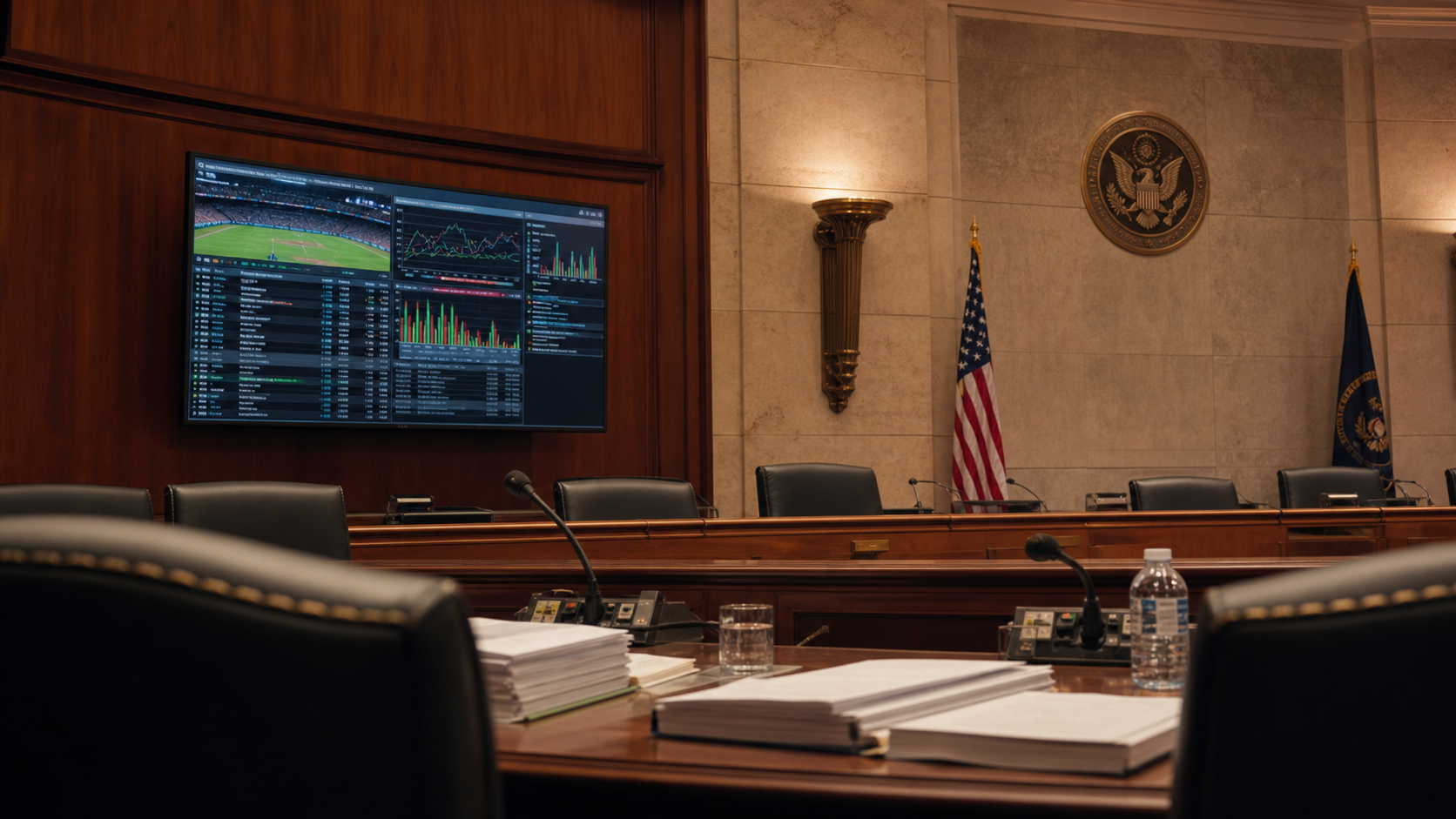
Federal prediction market regulation hearing room with neutral event-contract graphics

Prediction market regulation tightens as CFTC warns against risk-free promises

Federal prediction market regulation hearing room with neutral event-contract graphics

Prediction market regulation tightens as CFTC warns against risk-free promises

prediction market regulation is the focus of this USA casino-news briefing, which summarizes a fresh report while separating confirmed facts from analysis. The original source, date and jurisdiction are kept visible so readers can check the full account.

Casino and betting news can combine financial figures, regulatory claims, product announcements and consumer concerns in one headline. That makes context important: a reported result is not automatically a forecast, a lawsuit is not a final judgment, and a launch announcement is not nationwide permission to play.

Key facts

  • CFTC staff warned designated contract markets against incentives that promise risk-free trades, unlimited payouts or promotions that guarantee profits or offset losses.
  • The advisory also addressed selective perks and randomized rewards that could create unequal access or distort market behavior.
  • The notice arrives as sports-focused prediction markets face scrutiny from state gambling regulators and as the CFTC considers rules for sports event contracts and potential conflicts in vertically integrated market structures.

What the original source reports

The source report describes the development in its own terms. The facts above are restated in original language and should be read with the source’s date and scope in mind. Where a company, agency or party makes a claim, it remains attributed rather than presented as an independent finding.

The practical distinction is between what has happened, what a party says may happen and what still requires an approval, filing or later update. Readers should avoid filling gaps with assumptions about legal status, financial performance, operating dates or consumer outcomes.

Why the update matters

Prediction market regulation is increasingly concerned with presentation as well as product mechanics. A phrase such as risk-free can make a financial contract sound like a sportsbook bonus or a guaranteed return, even though the customer still faces uncertainty, eligibility conditions and potential loss. Regulators are asking exchanges to explain incentives precisely.

The advisory does not mean that every incentive already offered is unlawful or that the CFTC has issued a final rule covering all event contracts. It is staff guidance about recurring deficiencies in filings and the agency’s expectations for notice, compliance review and core-principle analysis.

The consumer lesson is straightforward: read the contract, not just the promotion. Check whether a reward applies to market makers or ordinary participants, whether it is randomized, how losses are treated and what jurisdiction governs the transaction. No label removes the financial risk of a prediction market or wager.

The United States is not one gambling market. State laws, tribal arrangements, licensing systems, court orders and responsible-gambling resources can differ substantially. A development in Nevada, Maryland, Washington, New Jersey or another jurisdiction should not be treated as a rule for every reader.

Business numbers also need careful interpretation. Revenue is not the same as handle, profit or a customer’s result. A proposed financing, certification, product rollout or legal claim can be material without guaranteeing a future outcome. Readers should use official notices and current operator terms when making decisions.

What to watch next

  • CFTC filings, proposed rules and state enforcement actions may further define how event contracts can be marketed and structured.
  • Readers should rely on current agency notices and the platform’s official terms rather than assuming that a promotional phrase has a legal or financial guarantee.

For related destination-site context, readers can review Prediction market financial risk rises when traders borrow to participate, Prediction market regulation faces gaming-industry pushback over sports contracts, Wildfire betting regulation debate reaches the CFTC. These internal links are provided as related reading and are not endorsements of any operator, product, investment or wager.

Frequently asked questions

What is the reported development?

CFTC staff warned designated contract markets against incentives that promise risk-free trades, unlimited payouts or promotions that guarantee profits or offset losses.

Why does this USA casino-news story matter?

The advisory also addressed selective perks and randomized rewards that could create unequal access or distort market behavior.

What should readers verify next?

The notice arrives as sports-focused prediction markets face scrutiny from state gambling regulators and as the CFTC considers rules for sports event contracts and potential conflicts in vertically integrated market structures.

Responsible gambling note

Responsible gambling: Gambling involves risk and is not a way to make guaranteed income. Only participate where legal, use money you can afford to lose, set a budget and time limit before you start, avoid chasing losses and seek qualified support if gambling affects your finances, relationships or wellbeing.

Original source: CFTC Asks Sports Prediction Markets to Avoid ‘Risk-Free’ Promises from Covers — Betting News. Authoritative supporting information: Commodity Futures Trading Commission and USA.gov.

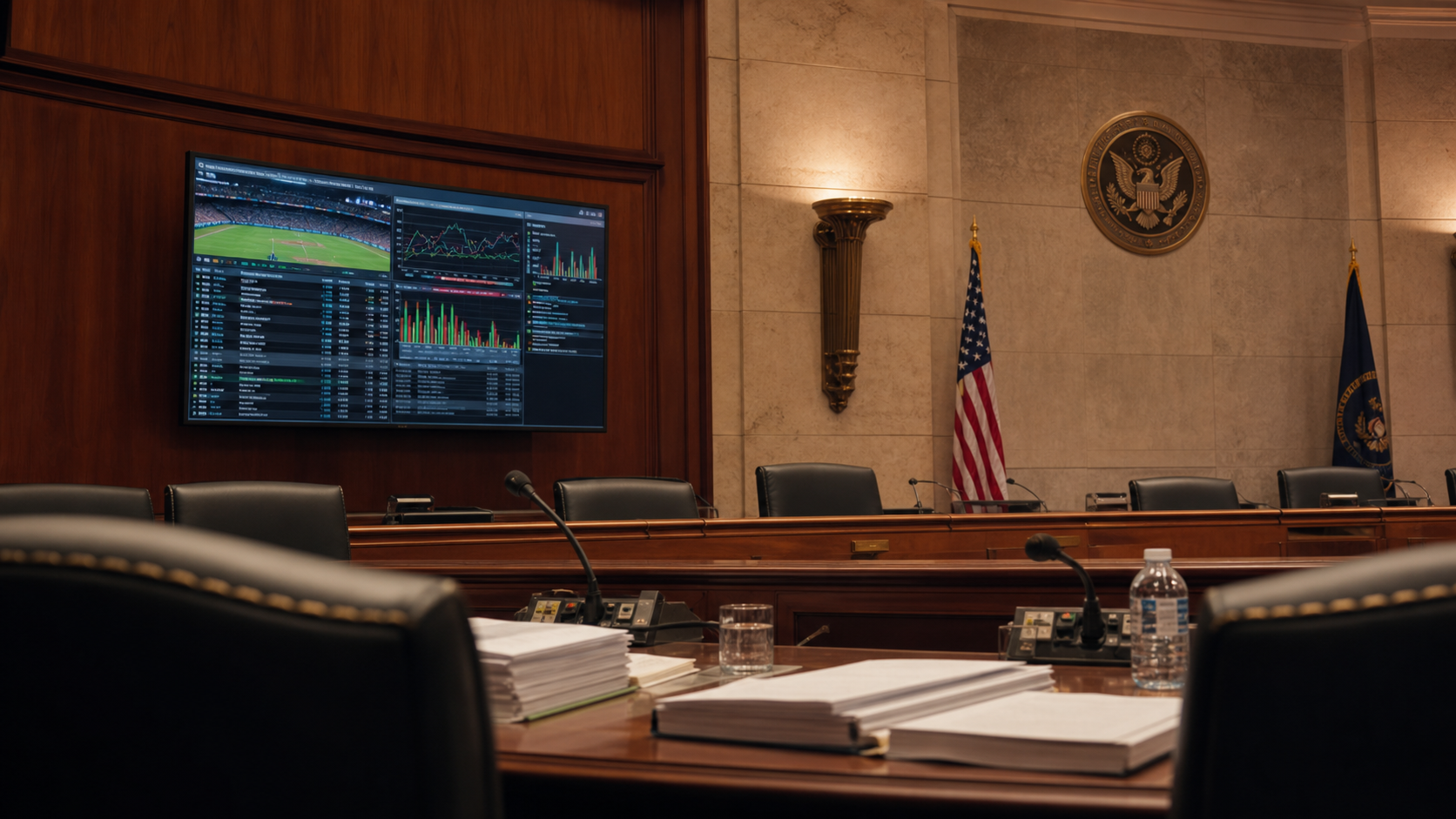
Federal prediction market regulation hearing room with neutral event-contract graphics

Prediction market regulation tightens as CFTC warns against risk-free promises

Prediction market regulation tightens as CFTC warns against risk-free promises

prediction market regulation is the focus of this USA casino-news briefing, which summarizes a fresh report while separating confirmed facts from analysis. The original source, date and jurisdiction are kept visible so readers can check the full account.

Casino and betting news can combine financial figures, regulatory claims, product announcements and consumer concerns in one headline. That makes context important: a reported result is not automatically a forecast, a lawsuit is not a final judgment, and a launch announcement is not nationwide permission to play.

Key facts

  • CFTC staff warned designated contract markets against incentives that promise risk-free trades, unlimited payouts or promotions that guarantee profits or offset losses.
  • The advisory also addressed selective perks and randomized rewards that could create unequal access or distort market behavior.
  • The notice arrives as sports-focused prediction markets face scrutiny from state gambling regulators and as the CFTC considers rules for sports event contracts and potential conflicts in vertically integrated market structures.

What the original source reports

The source report describes the development in its own terms. The facts above are restated in original language and should be read with the source’s date and scope in mind. Where a company, agency or party makes a claim, it remains attributed rather than presented as an independent finding.

The practical distinction is between what has happened, what a party says may happen and what still requires an approval, filing or later update. Readers should avoid filling gaps with assumptions about legal status, financial performance, operating dates or consumer outcomes.

Why the update matters

Prediction market regulation is increasingly concerned with presentation as well as product mechanics. A phrase such as risk-free can make a financial contract sound like a sportsbook bonus or a guaranteed return, even though the customer still faces uncertainty, eligibility conditions and potential loss. Regulators are asking exchanges to explain incentives precisely.

The advisory does not mean that every incentive already offered is unlawful or that the CFTC has issued a final rule covering all event contracts. It is staff guidance about recurring deficiencies in filings and the agency’s expectations for notice, compliance review and core-principle analysis.

The consumer lesson is straightforward: read the contract, not just the promotion. Check whether a reward applies to market makers or ordinary participants, whether it is randomized, how losses are treated and what jurisdiction governs the transaction. No label removes the financial risk of a prediction market or wager.

The United States is not one gambling market. State laws, tribal arrangements, licensing systems, court orders and responsible-gambling resources can differ substantially. A development in Nevada, Maryland, Washington, New Jersey or another jurisdiction should not be treated as a rule for every reader.

Business numbers also need careful interpretation. Revenue is not the same as handle, profit or a customer’s result. A proposed financing, certification, product rollout or legal claim can be material without guaranteeing a future outcome. Readers should use official notices and current operator terms when making decisions.

What to watch next

  • CFTC filings, proposed rules and state enforcement actions may further define how event contracts can be marketed and structured.
  • Readers should rely on current agency notices and the platform’s official terms rather than assuming that a promotional phrase has a legal or financial guarantee.

For related destination-site context, readers can review Prediction market financial risk rises when traders borrow to participate, Prediction market regulation faces gaming-industry pushback over sports contracts, Wildfire betting regulation debate reaches the CFTC. These internal links are provided as related reading and are not endorsements of any operator, product, investment or wager.

Frequently asked questions

What is the reported development?

CFTC staff warned designated contract markets against incentives that promise risk-free trades, unlimited payouts or promotions that guarantee profits or offset losses.

Why does this USA casino-news story matter?

The advisory also addressed selective perks and randomized rewards that could create unequal access or distort market behavior.

What should readers verify next?

The notice arrives as sports-focused prediction markets face scrutiny from state gambling regulators and as the CFTC considers rules for sports event contracts and potential conflicts in vertically integrated market structures.

Responsible gambling note

Responsible gambling: Gambling involves risk and is not a way to make guaranteed income. Only participate where legal, use money you can afford to lose, set a budget and time limit before you start, avoid chasing losses and seek qualified support if gambling affects your finances, relationships or wellbeing.

Original source: CFTC Asks Sports Prediction Markets to Avoid ‘Risk-Free’ Promises from Covers — Betting News. Authoritative supporting information: Commodity Futures Trading Commission and USA.gov.