


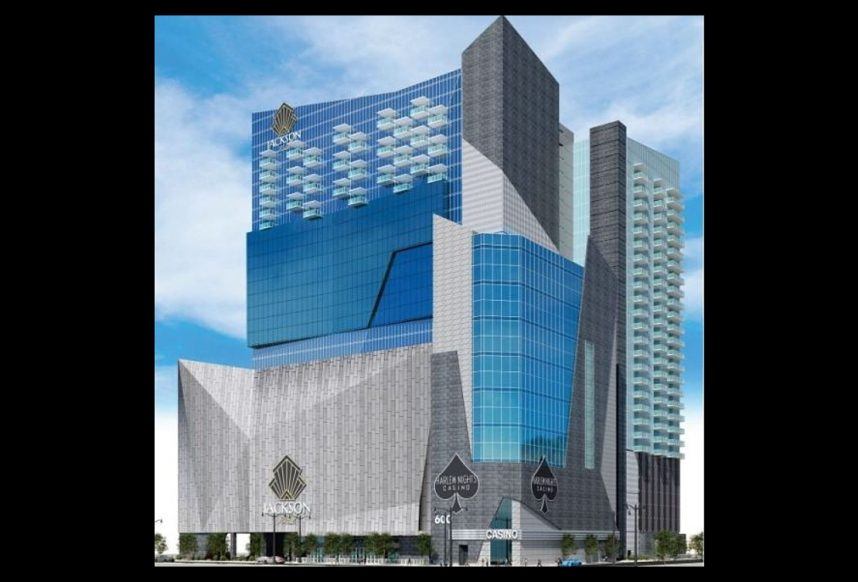
Harlem Nights Casino Hotel Project Denied by Las Vegas City Council
Harlem Nights Casino Hotel Project Denied by Las Vegas City Council
- The Las Vegas City Council voted almost unanimously to shut down Harlem Nights
- The proposed casino hotel featured two 22-story towers in Las Vegas’ Historic Westside neighbourhood
- Area zoning restrictions limit buildings to seven stories, requiring the developer to seek permission to exceed this limit
- The developer was removed from the meeting for interrupting but left before the final vote took place
The Las Vegas City Council decided on Wednesday to deny the request for land-use entitlements for the Harlem Nights casino hotel during a dramatic meeting. Almost ejected from the proceedings, the developer was informed that their plans for building in the Historic Westside were incompatible with local community standards.
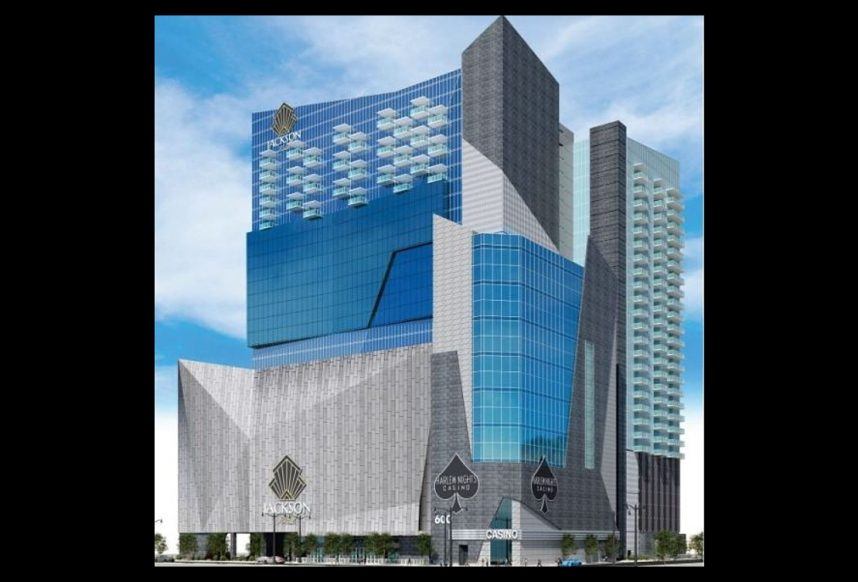
Shlomo Meiri, the developer behind the Harlem Nights project, aimed to breathe new life into the Historic Westside through the construction of a 22-story mixed-use casino hotel and apartment complex, strategically located near Jackson Avenue and F Street. However, his plans for a special use permit and height variance to exceed the existing zoning limits faced stiff opposition from local authorities, leading to a decisive 6-1 vote against them.
“Our community is not looking for a savior. We’re looking for a partner,” stated Councilwoman Shondra Summers-Armstrong, representing the district, who described the project as a “behemoth on less than 2 acres.”
The proposed Harlem Nights project included:
- **22-story Jackson Hotel** featuring 207 rooms and 60 condos
- Harlem Nights Casino with 7,000 square feet of gaming area
- Another **22-story tower** known as the Westside Residence, offering 336 apartments
- Additional amenities, such as a theater, various restaurants, a nightclub, retail stores, and a parking garage
Current zoning laws cap building heights at seven stories unless specific permits are acquired. Initially, Meiri proposed a more ambitious concept named after the 1989 movie featuring Eddie Murphy and Richard Pryor, which included a single **60-story hotel** with **764 rooms** and a **10,000 square-foot casino**, in addition to **458 residential units**.
Resistance from the local community, city staff, and recommendations against the project from the City Planning Commission forced Meiri to scale down his initial ambitions several times, culminating in the final proposal that ultimately failed.
During the meeting, in response to criticisms, Meiri remarked, “That’s what happens when you have stupid people making decisions in business. They don’t care about the community; all they care about is their personal gain.” His outburst led to warnings from Mayor Berkley, who threatened to remove him from the meeting. Eventually, Meiri exited the venue just before the final vote.
Councilwoman Victoria Seaman, who opposed Mayor Berkley, cast the only dissenting vote. According to city attorney advice, Meiri can return with new proposals in the coming months, provided they adhere to the existing zoning laws. If he intends to challenge those again, he will have to wait a year.
Conclusion
The denial of the Harlem Nights Casino Hotel signifies a pivotal moment for the development landscape in Las Vegas, particularly in areas where zoning laws are strict due to community interests. This instance highlights critical issues concerning urban development, community engagement, and the balance between ambition and regulatory compliance. The outcome serves as a reminder that while growth is sought-after, it must occur in concert with the community’s needs and regulatory frameworks.